- Total units
- 937
- District
- D01
- From PSF
- $2,781 psf
- Units sold
- 691
Key takeaways
- The recorded two-bedroom entry price is $1,879,900, not the lower launch indication reported in April 2025; these belong to different pricing snapshots.
- Two-bedroom units account for 143 of the 263 recorded available homes, making this the broadest selection in the supplied inventory but also an important segment to examine for future competition.
- Standard three-bedroom units have a supplied average of $2,928 psf, below the two-bedroom average of $2,976 psf, but their starting quantum rises to $2,559,300.
- The 969 sq ft dual-key category averages $2,904 psf in the supplied record; its appeal depends on the actual division of space, not simply having two accommodation zones.
- Four-bedroom Premium apartments are recorded at 1,647 sq ft and start at $4,773,400, creating a materially different affordability threshold from the smaller family units.
- The project-level asking range of $2,781–$3,222 psf is approximately 23%–42% above Marina Bay Residences' $2,262 psf resale median, before adjusting for unit and project differences.
- The sales record does not fully reconcile: 668 sold plus 263 available equals 931, against 937 total homes; the six-home difference is unexplained.
- Views, facility provision, operating expenses, rental yields and future resale performance cannot be established from the supplied information and should not be treated as proven benefits.
Prepared by Kaeden Ong, independent ERA property agent, CEA R027596H, using only the supplied project record, nearby amenity records, URA-labelled resale extract and cited research summaries. The project record has no extraction date: its $1,879,900–$5,306,000 price range, $2,781–$3,222 psf range, 668 sold and 263 available are an undated snapshot, not verified live quotations or availability. Its launch field is 11 April 2025 and completion field is 29 April 2029; the latter is a recorded timetable, not a completion guarantee. Separately, the supplied EdgeProp research reports booking from 12 April 2025 and launch-weekend sales of 353 units at an average $2,953 psf. The supplied PropertyNet research reports 663 sales for August 2026 and was updated on 24 September 2026; third-party commentary material carries updates through 28 September 2026. Those publication dates do not date the project inventory. Nearby resale figures are described as URA medians within 1.5 km over the last 36 months, but the extraction date and window end are missing. Calculated price premiums are approximate asking-to-transacted-median comparisons, not valuations. The research blocks contain conflicting project, tender and school details; conflicting claims have not been adopted. Cited source summaries were provided with the task and have not been independently rechecked.
Quick verdict
In my view, One Marina Gardens is more compelling as a long-term home near Marina South MRT than as a straightforward investment bargain. Its direct-access proposition and range of family-sized apartments deserve attention, but buyers are paying above nearby resale benchmarks while accepting a developing precinct, leasehold tenure and unverified school-distance advantages.
Best for: It best suits buyers who value rail connectivity and a new Marina South home, can accommodate the recorded 2029 completion timetable, and do not need an established neighbourhood from day one.
- Direct Marina South MRT access is recorded, supporting a less car-dependent lifestyle, subject to confirmation of station operation and the completed access arrangement.
- The supplied selection spans compact two-bedroom homes, dual-key apartments and substantially larger four-bedroom Premium units.
- URA's mixed-use, pedestrian-friendly planning provides a credible framework for neighbourhood development, although delivery timing remains uncertain.
- The supplied asking PSF range exceeds every nearby resale median in the comparison set.
- Amenities and surrounding development will emerge progressively rather than arrive as a finished neighbourhood.
- No reliable primary-school distance advantage is established, and the supplied school information contains conflicting classifications and distances.
Site context and what is changing around it
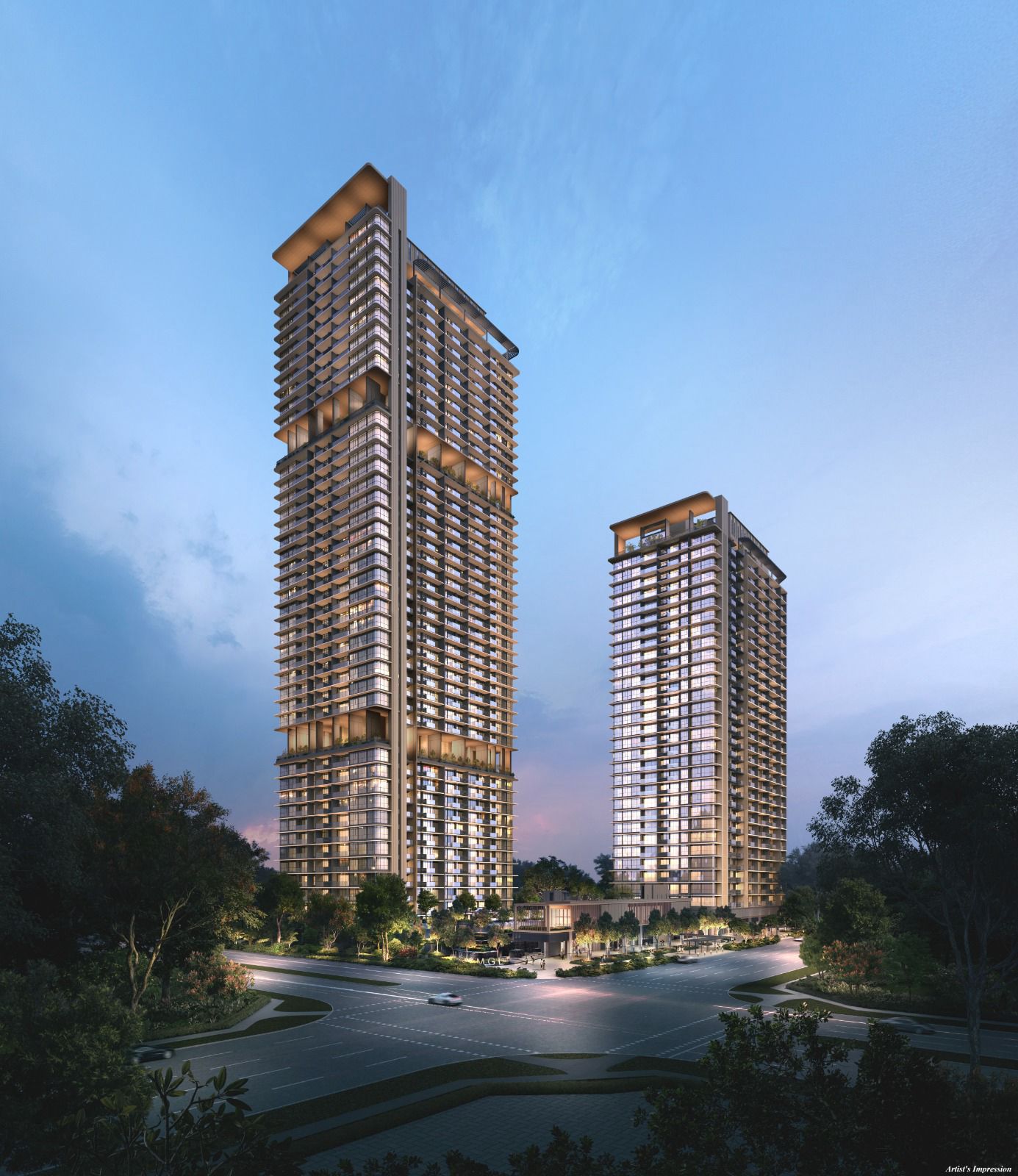
One Marina Gardens is recorded at 1, 3 and 5 Marina Garden Lane in District 1, with 937 homes and a 99-year tenure. Although the project database labels the broader location as Boat Quay / Raffles Place, the cited URA planning material places the development in Marina South. In my view, that distinction matters: buyers should assess the actual emerging neighbourhood rather than assume that a District 1 address delivers the same immediate street-level convenience as an established business district.
URA's cited Marina South planning material describes a mixed-use, pedestrian-friendly and car-lite district, incorporating residential, hotel, retail and community uses. For an owner-occupier, this offers a plausible route towards a more complete neighbourhood over time. For an investor, it is a planning framework rather than evidence of future rent or capital appreciation. In my view, the investment case should remain workable even if the surrounding amenities take longer to mature than a buyer hopes.
EdgeProp's supplied editorial coverage highlights progressive amenities and surrounding construction as considerations for early residents. I share that concern because the project's recorded completion on 29 April 2029 does not establish when neighbouring development will finish. Buyers should distinguish the delivery of their apartment from the completion of the wider precinct. A household comfortable with an evolving environment may accept that trade-off; one expecting settled surroundings immediately after moving in may find it harder to justify.

Transport, schools and daily convenience
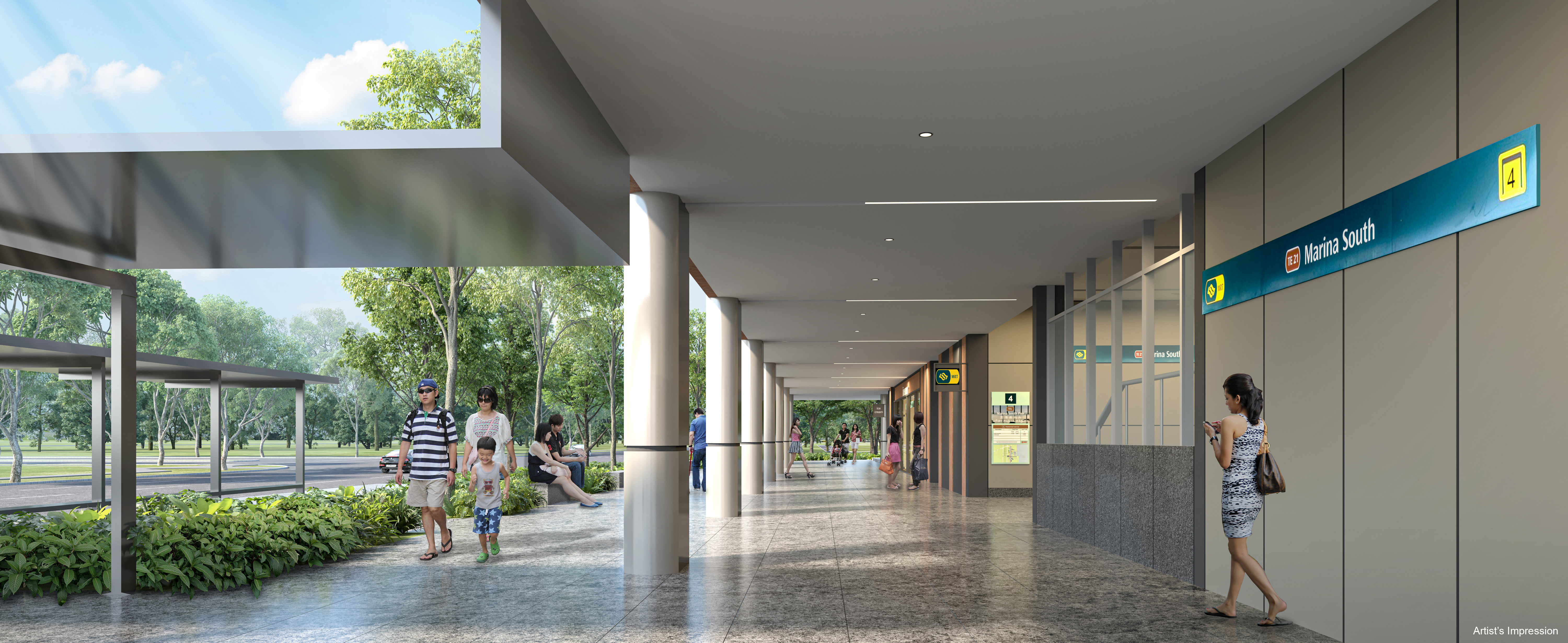
The project and amenity records describe direct access to Marina South MRT, while the cited URA material identifies the adjoining station as part of the Thomson-East Coast Line. In my view, this is the clearest practical reason to consider the location, especially for residents planning to minimise car use. However, the supplied research does not independently establish the station's actual operating status. It also does not document the final access route, so I would not translate 'direct access' into an assumed opening date or a fully sheltered journey.
The amenity record lists bus stops at 260 m and 390 m, and The Shoppes at Marina Bay Sands at 970 m. These references suggest alternatives beyond the station, but the measurement method and walking routes are not provided. Some entries also mix destinations with MRT-stop counts, including Marina Bay Financial Centre, so they are not a dependable journey planner. In my view, regional access looks more persuasive than immediate everyday convenience: the record does not establish an on-site supermarket, a comprehensive daily-services cluster or the commercial tenants available at occupation.
School information is less reliable. The amenity record places Cantonment Primary School at 2.6 km, whereas one research summary places it within 1–2 km; other summaries say the relevant distance bands are unknown. The supplied secondary-school category also includes a primary school and specialist education providers, so I would not use it to assess mainstream secondary-school access. Buyers should therefore treat primary-school proximity as unverified rather than favourable. For families making a home purchase around school access, this is a substantive weakness in the available evidence.
Site plan and facilities
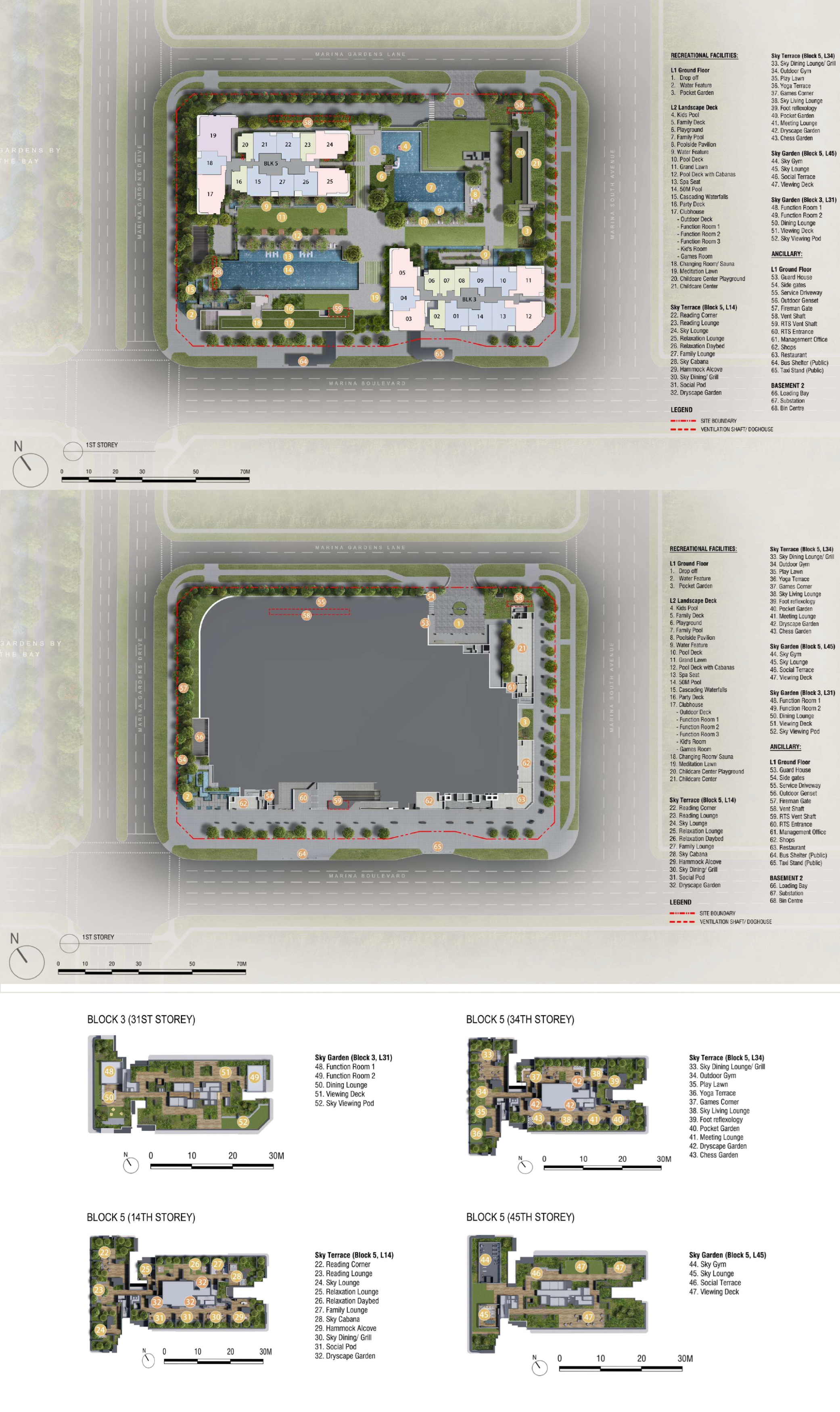
The supplied research citing URA describes two residential towers and six commercial units. In my view, the commercial component could improve convenience, but six premises alone do not establish what residents will actually be able to buy or access downstairs. There are no confirmed operators, uses or opening schedules in the evidence. I would therefore give limited weight to the commercial units when judging whether everyday needs can be met within the development.
The 937-home scale makes facility capacity and circulation important assessment points, yet the supplied material contains no verified facility schedule, site-area figure, lift provision, parking allocation or maintenance-charge estimate. It would be misleading to assume either generous facilities or overcrowding from unit count alone. For an owner-occupier, the unanswered question is how the eventual provision serves that population. For an investor, the missing operating-cost information also prevents a meaningful assessment of the recurring ownership burden.
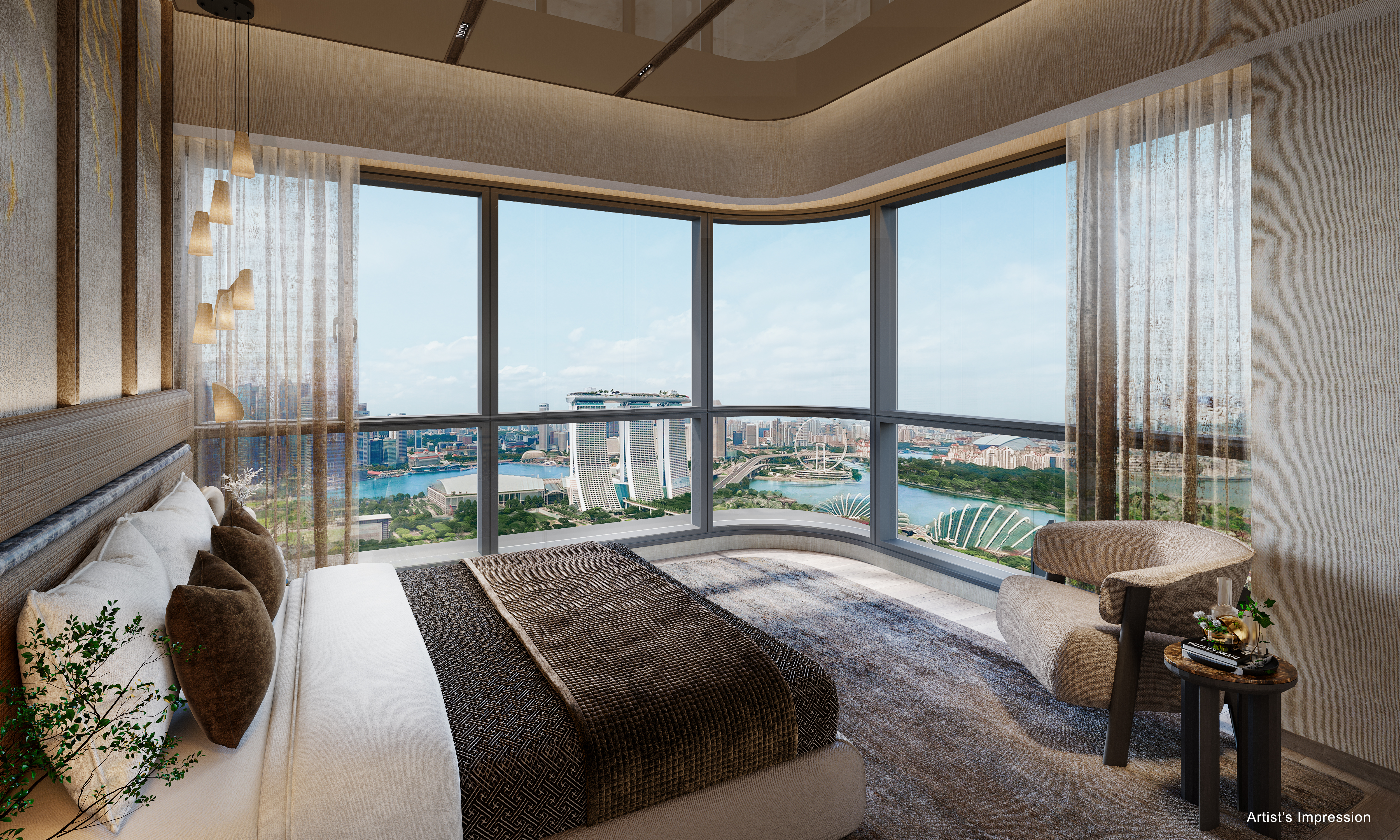
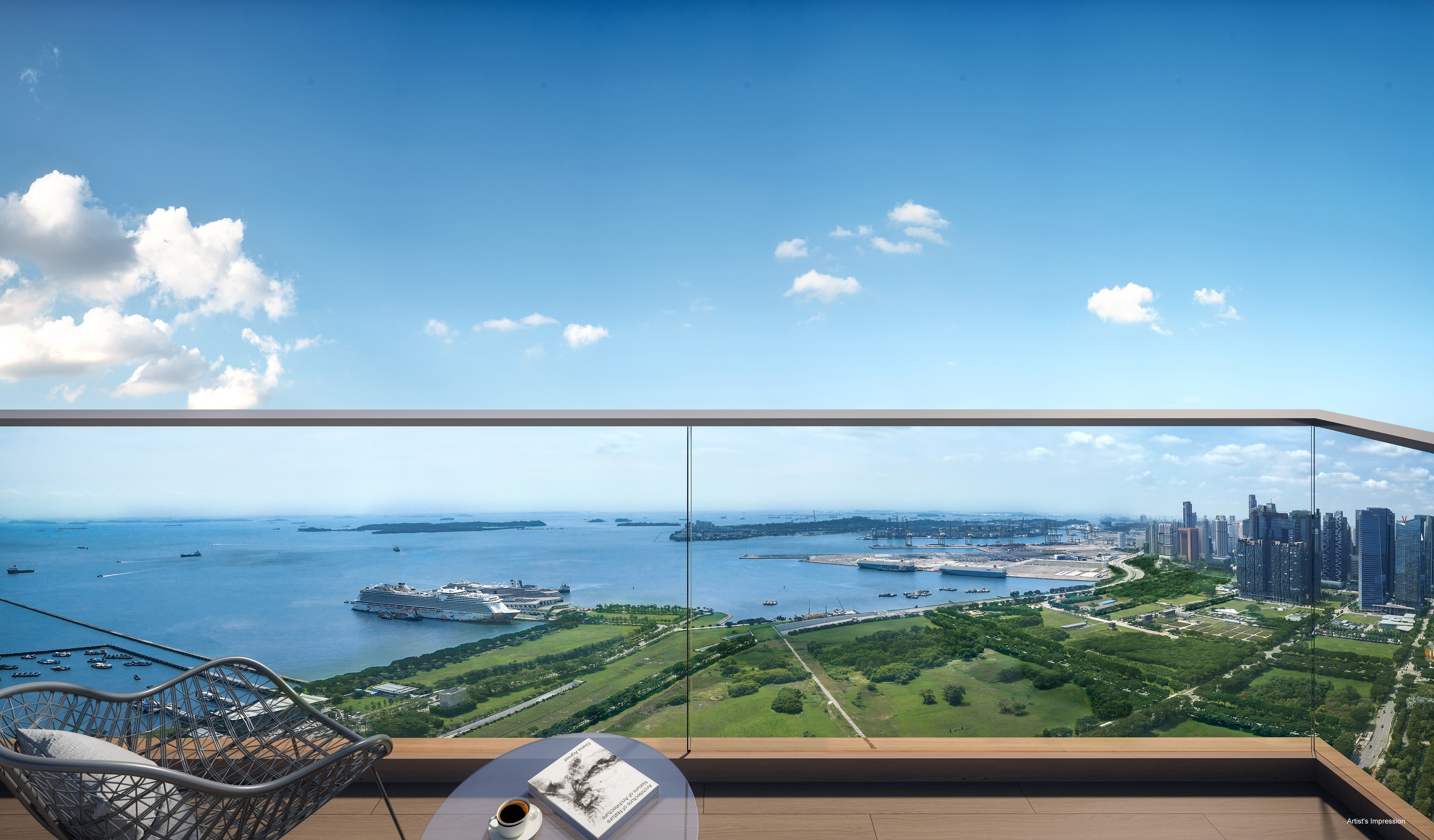
published third-party commentary mentions Marina Bay and Gardens by the Bay views, but this is not stack-specific evidence of a protected outlook. In my view, any view-related premium needs to be tested against the selected unit's orientation, floor and surrounding development plans. The available material does not support claims about permanent views, privacy between towers or favourable sun exposure. This limits how confidently one can rank individual homes, even where their size and asking price are known.
Unit mix and layout efficiency
The project-level research describes a wider range including one-bedroom apartments and penthouses, but the supplied inventory contains only five categories. Their total counts add up to 697 rather than 937, while their available counts account for all 263 recorded available units. Consequently, this is useful for analysing the supplied selection, not for reconstructing the complete development mix. In particular, the absence of one-bedroom units from this extract is not sufficient evidence that all such units are sold.
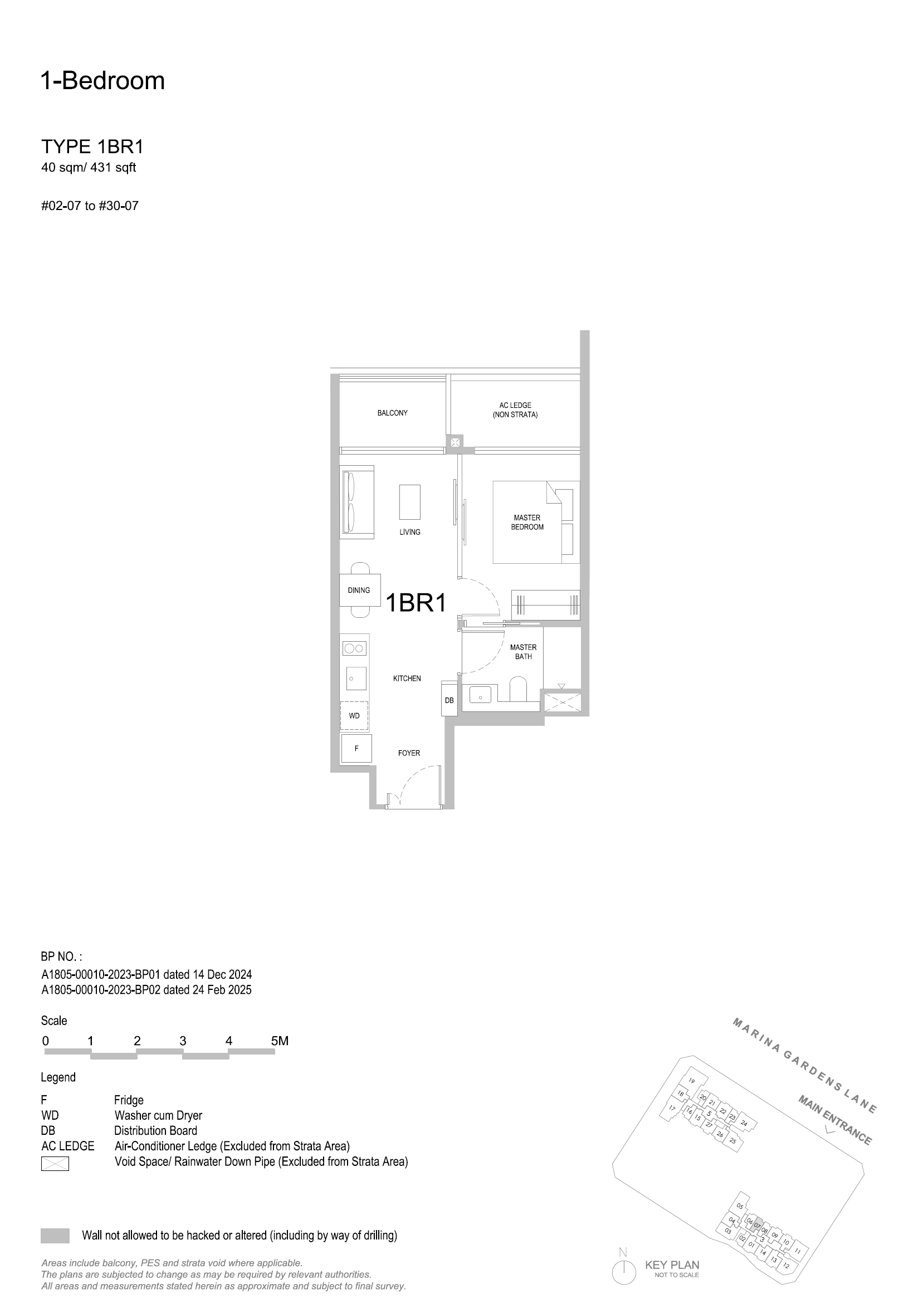
Two-bedroom apartments measure 646–732 sq ft, with 143 recorded available out of 418 in that category. In my view, these are the most relevant options for buyers seeking the lowest listed entry quantum, but the size range deserves attention: the category name alone does not establish equivalent living space. Standard three-bedroom apartments measure 904–1,012 sq ft, with 45 available out of 99. They provide a different room-count proposition, although exact plans are needed to assess furniture fit, storage and whether the extra bedroom compromises communal space.
The dual-key category is consistently recorded at 969 sq ft, with 14 available out of 29. In my view, this deserves a separate decision from a conventional three-bedroom purchase: partitioning accommodation can support different living arrangements, but it may also change the amount of shared space and usable space within each section. The evidence does not establish kitchen provision, entrances, acoustic separation or independent tenancy suitability. I would not assume that the dual-key label guarantees either family privacy or superior rental performance.
Three-bedroom Premium units span 1,066–1,238 sq ft, with 52 available out of 111, while four-bedroom Premium units measure 1,647 sq ft, with nine available out of 40. The larger recorded areas make these more relevant to buyers prioritising household space, but they do not prove layout efficiency. third-party commentary' favourable liveability assessment is an editorial view, and EdgeProp notes balconies in larger units. In my view, internal usable area and balcony allocation should decide whether the Premium price is worthwhile, rather than the marketing designation.
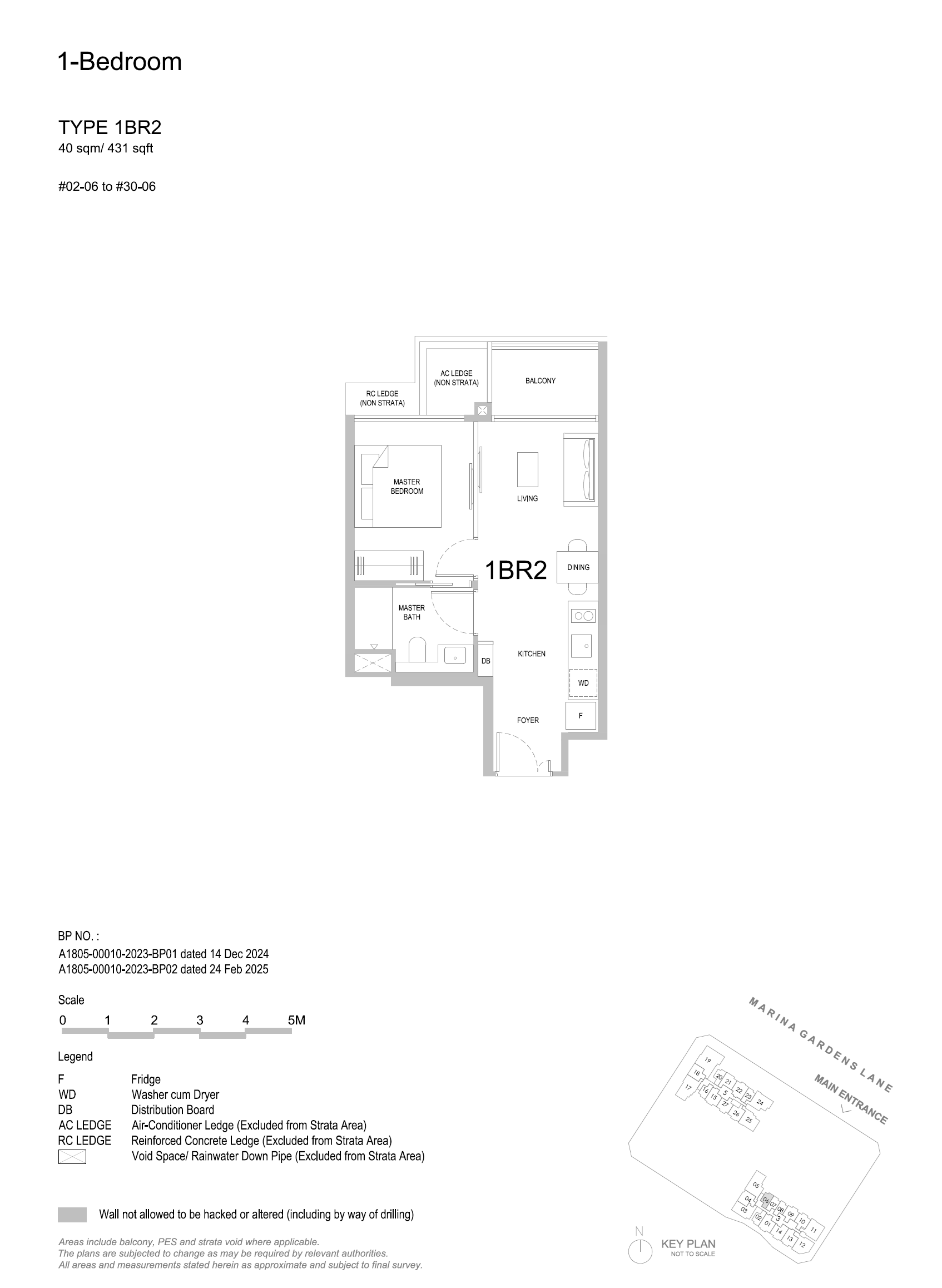
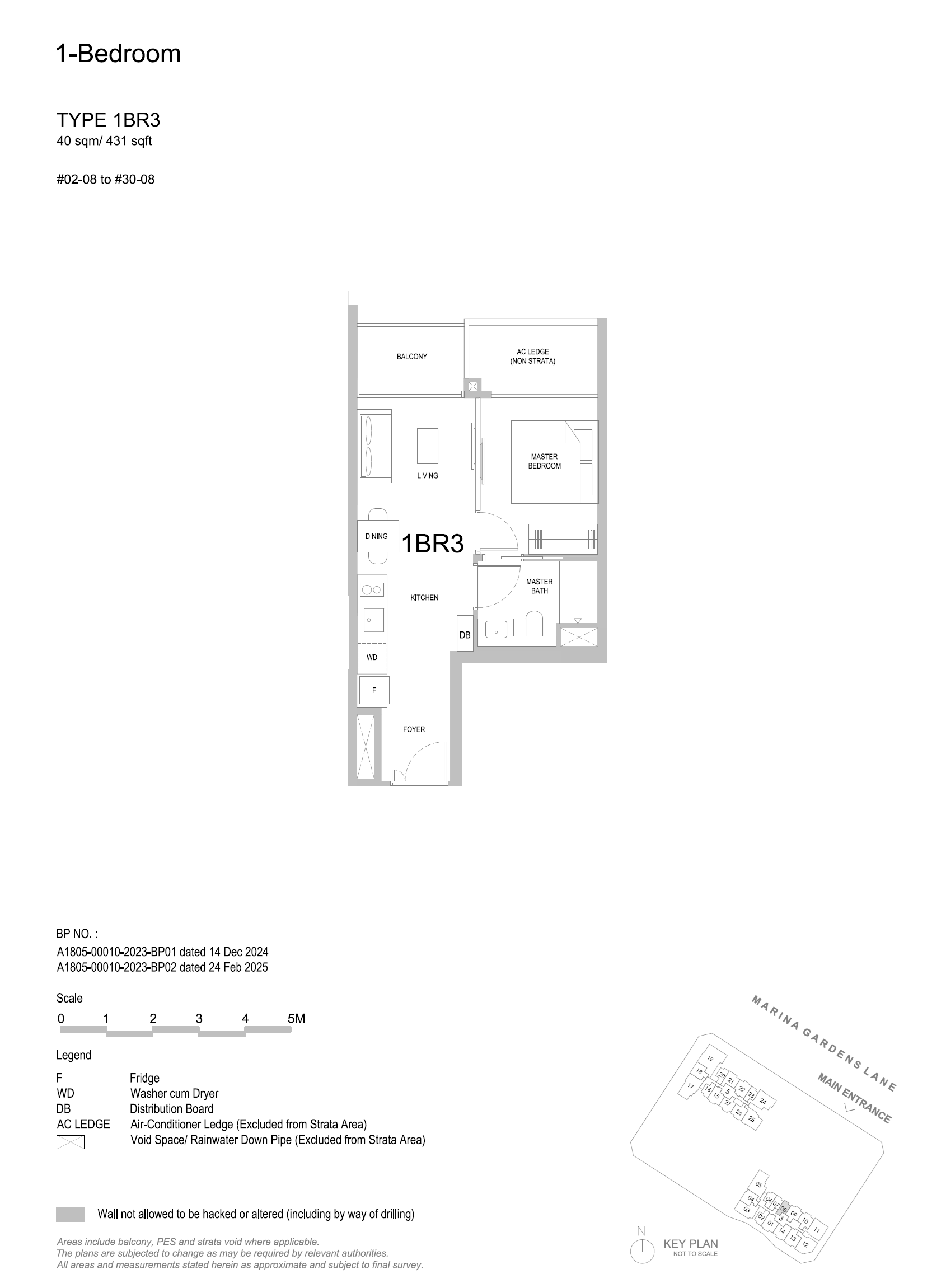
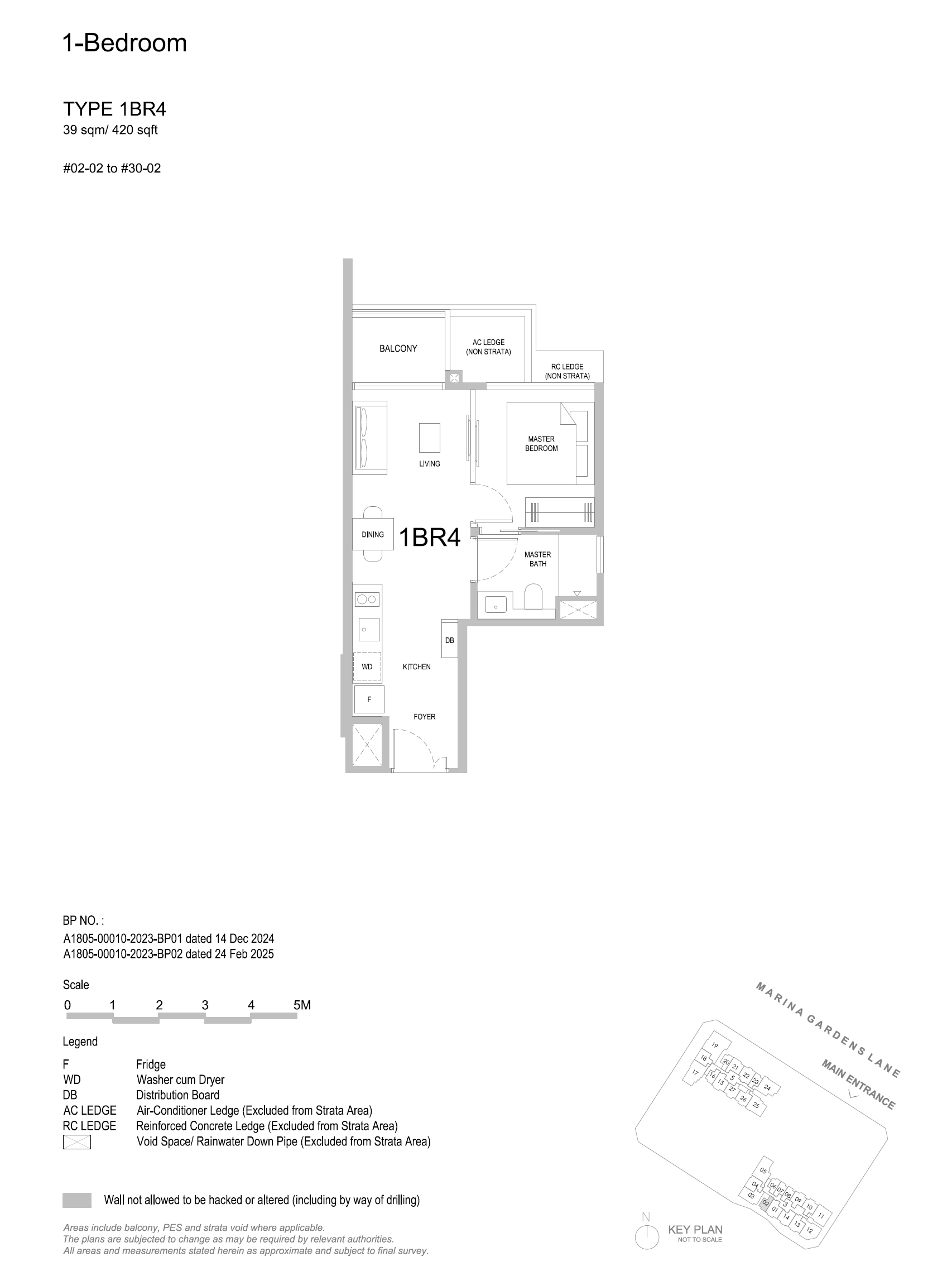
Current pricing and total quantum
The undated project snapshot gives an overall asking range of $1,879,900–$5,306,000 and $2,781–$3,222 psf. These figures should not be presented as a live price list. There is also a coverage difference: the highest price among the five supplied category ranges is $5,161,600, below the project-level maximum. In my view, that discrepancy reinforces the need to assess an identified apartment rather than assume that the category extract explains every overall price endpoint.
Two-bedroom units are listed from $1,879,900 to $2,251,200, with an average of $2,976 psf. Standard three-bedroom units run from $2,559,300 to $3,048,200, averaging $2,928 psf. The three-bedroom entry point is therefore $679,400 higher even though its supplied average PSF is lower. For an owner-occupier, that makes the decision one of household utility and total commitment, not simply apparent value per square foot. For an investor, the lower average PSF does not establish a stronger yield without achievable rents and expenses.
Dual-key units are listed at $2,714,900–$2,912,400, averaging $2,904 psf. Their starting price sits $155,600 above the standard three-bedroom starting point, although those are category minima rather than matched-floor comparisons. Three-bedroom Premium units cost $2,964,500–$3,727,100, averaging $2,952 psf. In my view, the overlap between these categories is useful: a buyer should compare the actual accommodation gained within a chosen budget rather than move automatically from standard to dual-key to Premium as though those labels form a quality ranking.
Four-bedroom Premium units are listed at $4,773,400–$5,161,600, averaging $3,016 psf. Their 1,647 sq ft area provides substantially more recorded space than the other supplied categories, but the absolute outlay is a significant step up. In my view, this is primarily a needs-led purchase for households that will use the additional accommodation. The average PSF figures across categories do not control for floor, outlook or individual layout, and should not be treated as evidence that one category is intrinsically underpriced.
Price analysis against nearby resale and launches
The supplied URA-labelled comparison set contains five leasehold developments. Marina Bay Residences, 0.98 km away, has a $2,262 psf median across 336 transactions; Marina One Residences, 1.04 km away, records $1,992 psf across 480. The Sail @ Marina Bay, 1.27 km away, records $2,027 psf across 901 transactions. Marina Bay Suites, 1.3 km away, records $1,930 psf across 180, while One Shenton, 1.43 km away, records $1,814 psf across 360. In my view, these provide meaningful alternative-market context rather than a valuation for a specific One Marina Gardens unit.
Against Marina Bay Residences, the project's $2,781–$3,222 psf asking range represents an approximate 23%–42% premium. Against Marina One Residences, the approximate premium is 40%–62%. Those are substantial gaps, but the comparison combines new-launch asking prices with resale transaction medians across different homes. Remaining lease, floor, condition, area and outlook are not normalised in the supplied data. I would therefore use the premium as a question to answer—what practical benefits justify it for this buyer?—rather than as automatic proof of overpricing.
For an owner-occupier, the new-home proposition and recorded station access may justify some premium, but the resale alternatives create a real opportunity-cost test. For an investor, they are particularly relevant because future purchasers may also compare price against established nearby stock. In my view, the investment case cannot rely solely on the prestige of the broader Marina Bay address. It needs a defensible purchase price and a unit-specific advantage that remains persuasive alongside these alternatives.
The supplied new-launch comparisons do not establish relative value. PropertyNet's view that some remaining homes compare favourably with Vela Bay is editorial, and the evidence contains no equivalent Vela Bay price schedule. A YouTube review compares Bloomsbury Residences but supplies no usable matched-unit figures here. The cited Marina View site is another future residential reference, not a verified competing price list. I would not conclude that One Marina Gardens is cheaper than comparable launches from this material.

| Nearby resale project | Distance | Median PSF | Transactions |
|---|---|---|---|
| MARINA BAY RESIDENCES | 0.98 km | $2,262 | 336 |
| MARINA ONE RESIDENCES | 1.04 km | $1,992 | 480 |
| THE SAIL @ MARINA BAY | 1.27 km | $2,027 | 901 |
| MARINA BAY SUITES | 1.3 km | $1,930 | 180 |
| ONE SHENTON | 1.43 km | $1,814 | 360 |
URA resale caveats within 1.5 km, last 36 months.
Launch sales and market context
The project record gives 11 April 2025 as its launch date, while the supplied EdgeProp report says sales booking began on 12 April 2025. These can describe different stages of the launch process and need not be treated as contradictory. EdgeProp reports 353 of 937 homes sold over the launch weekend, approximately 38%, at an average $2,953 psf. In my view, that demonstrates initial buyer participation, but does not establish the later resale value or rental prospects of an individual purchase.
Later figures require separate treatment. PropertyNet's supplied summary reports 663 sales for August 2026, whereas the undated project record reports 668 sold. The latter represents approximately 71% of the stated total, but its missing timestamp prevents a reliable sales-pace calculation. More importantly, 668 sold and 263 available leave six homes unclassified. I would not label those homes reserved, withheld or sold without evidence, and the research reference to six commercial units does not explain a discrepancy in residential inventory.
The remaining-selection pattern is more useful than an unsupported claim of urgency. Two-bedroom homes account for 143 of the 263 available units, while three-bedroom Premium homes contribute 52 and standard three-bedroom homes 45. In my view, buyers in those categories should use the recorded choice to compare layouts and asking prices carefully. The nine available four-bedroom Premium homes indicate a smaller recorded selection, but the snapshot contains no evidence about how quickly that category is selling or whether scarcity supports its price.
Developer and track record
The project record names the developer as KINGSFORD MARINA DEVELOPMENTLED PTE LTD, while the supplied research uses Kingsford Marina Development Pte Ltd. I would preserve that distinction rather than silently certify either spelling as the legal contracting entity. For a buyer, the practical issue is that the entity named in the purchase documentation must be clear. A database label and a broader developer brand are not substitutes for confirming the contractual party.
Kingsford's cited corporate material lists Singapore projects including Kingsford Hillview Peak, Kingsford Waterbay and Kingsford Huray Development's Normanton Park. In my view, these references provide a relevant local development background, but not a project-specific quality guarantee. The supplied evidence contains no verified defect statistics, workmanship audit, maintenance history or delivery assessment that would support a stronger conclusion. One Marina Gardens should therefore be assessed on its own specifications and contractual commitments rather than on brand familiarity alone.
Two supplied research summaries agree on a $1.034 billion land tender amount and $1,402 psf per plot ratio, but disagree on the award date; I have not adopted either date. In my view, the land figure offers cost context rather than a price floor for buyers. A per-plot-ratio land metric is not the same measure as apartment saleable-area PSF, and the evidence does not provide a complete development-cost account. It cannot establish the developer's margin or prove that the asking prices represent good value.

Risks and exit considerations
The 99-year tenure and recorded 2029 completion timetable make holding period important. The supplied material does not give the lease commencement date, so the remaining lease at occupation cannot be calculated precisely here. In my view, buyers who expect to sell soon after completion face a less comfortable proposition than households purchasing for sustained use, because their outcome would depend heavily on market conditions and competing choices at that time. No resale forecast in the supplied evidence resolves that uncertainty.
URA's wider Marina South plans create both a neighbourhood-development case and potential future competition. The evidence does not establish the number or timing of competing homes delivered around a buyer's eventual exit. Within One Marina Gardens itself, the record shows 418 two-bedroom units, making differentiation relevant for that category. In my view, layout, outlook and entry price deserve particular attention where purchasers may later compare multiple homes within the same development; a common project address alone will not distinguish a listing.
Rental performance is another unresolved area. Rail connectivity provides a reasonable basis for considering tenant appeal, but there are no verified rents, occupancy rates, maintenance charges or net-yield calculations in the supplied material. Dual-key flexibility should likewise not be converted into an assumed rental premium. In my view, an investor should regard returns as unproven until those inputs are available, particularly when entering above the nearby resale medians.
My principal exit concern is paying today for benefits that depend on later neighbourhood delivery or an unverified view advantage. If those benefits arrive more slowly or differ from expectations, the buyer still owns at the agreed entry price. Conversely, a household that values and uses the apartment throughout a long stay has a practical benefit beyond resale timing. In my view, that distinction explains why the owner-occupier case is currently easier to support than a confident capital-appreciation thesis.

Pros
- In my view, the recorded direct Marina South MRT access is a meaningful advantage for households seeking to organise daily travel around rail rather than a car.
- The supplied selection gives buyers concrete choices between lower-quantum two-bedroom homes, conventional three-bedroom accommodation, dual-key layouts and larger Premium apartments.
- In my view, the lower supplied average PSF for standard three-bedroom homes makes them worth comparing with two-bedroom units for buyers who can accommodate the higher total price.
- URA's mixed-use planning provides an identifiable direction for the surrounding neighbourhood, rather than leaving its intended character entirely unspecified.
- The recorded availability across several categories gives buyers scope to examine alternatives within the project instead of relying on a single headline entry price.
Cons
- The supplied asking PSF range sits above all five nearby resale medians, so the new-home premium requires a buyer-specific justification.
- Progressive neighbourhood development means the recorded residential completion date cannot be treated as the delivery date for a fully established precinct.
- The conflicting school records do not support purchasing for a verified primary-school proximity advantage.
- Missing facility, maintenance-charge, detailed floor-plan and stack information prevents a complete assessment of daily liveability and ownership costs.
- The undated inventory and unexplained six-home reconciliation gap limit confidence in claims about present availability or sales momentum.
Who should buy
- Long-term owner-occupiers who place substantial value on the recorded Marina South MRT access and can accept an evolving neighbourhood around the supplied 2029 completion timetable.
- Households comparing standard and Premium three-bedroom homes, because the recorded size and price ranges allow a meaningful examination of extra space versus additional capital commitment.
- Buyers with a genuine need for separated accommodation who are willing to scrutinise the 969 sq ft dual-key plan rather than assume the label guarantees privacy or rental efficiency.
- Larger households considering the 1,647 sq ft four-bedroom Premium category because they will use the space and can justify its price independently of an appreciation forecast.
Who should look elsewhere
- Families whose purchase depends on a confirmed nearby primary-school distance band, because the supplied records do not establish one reliably.
- Investors requiring demonstrable rental yield or a short-term resale catalyst, because rents, ownership expenses and future competing supply are not quantified.
- Buyers wanting an immediately settled neighbourhood or the lowest PSF exposure in the supplied comparison set, because the project's developing setting and asking premium work against those priorities.
Is it worth buying?
In my view, One Marina Gardens can be worth buying as a long-term home when the chosen apartment's layout and rail-access proposition matter enough to justify its premium over nearby resale alternatives. The standard three-bedroom category deserves particular attention for space-led buyers: its supplied average PSF is below that of the two-bedroom category, although the higher total quantum remains the decisive affordability issue. The Premium and dual-key options need separate, plan-specific justifications rather than an assumption that their labels make them better purchases.
I am less persuaded by a broad investment recommendation. The record does not establish net rental yield, a protected view, the timing of surrounding amenities or an exit-price advantage over existing Marina Bay homes. Buyers should pay for the apartment and access they can substantiate, not capitalise the full promise of Marina South in advance. On that basis, my assessment is conditional: a credible owner-occupier proposition for the right household, but not a demonstrated bargain at every listed price.
Request suitable available units and project information →By Kaeden Ong, ERA (CEA R027596H). Updated 11/11/2026. This is just personal view, not investment advice.
Sources
- https://propertynet.sg/new-launch-condos/one-marina-gardens/
- https://propertynet.sg/project/one-marina-gardens/
- https://www.ura.gov.sg/Corporate/Media-Room/Media-Releases/pr25-14
- https://www.ura.gov.sg/Corporate/Media-Room/Media-Releases/pr23-32
- https://www.edgeprop.sg/property-news/one-marina-gardens-sells-38-units-launch-weekend-average-price-2953-psf
- https://www.edgeprop.sg/property-news/one-marina-gardens-preview-april-5-prices-116-mil
- https://www.ura.gov.sg/Corporate/Planning/Master-Plan/Regional-Highlights/Central-Area/Marina-South
- https://www.kingsford.com.sg/about-us/