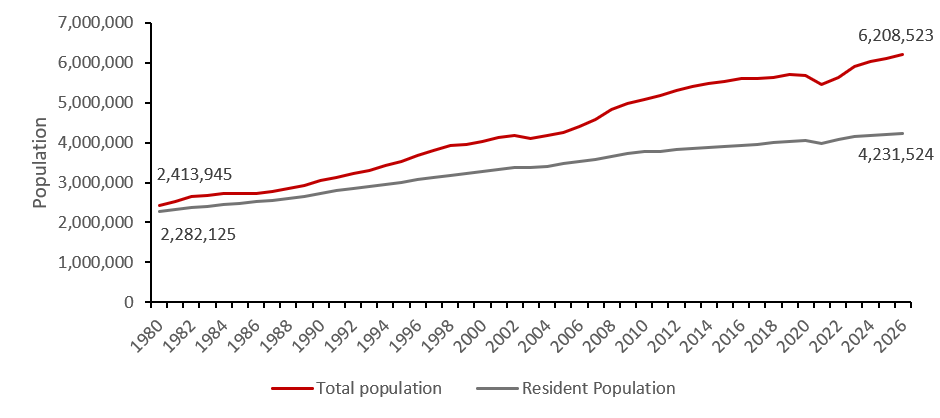
As a Singapore property agent, I'm constantly asked: "Where will future homes come from in such a small country?" It's a fair question. Our island has grown from just 2 million residents in the 1980s to a record 6.21 million this June—and projections suggest we could reach between 6.5 million and 6.9 million in the years ahead. Finding land for housing in a country this size requires ingenious solutions, and Singapore has become a global case study in how to do it right.
The government relies on three proven strategies to tackle our land shortage: reclaiming land from the sea, intensifying how we use existing plots, and redeveloping aging sites. Each approach plays a vital role in ensuring we have enough homes, offices, and lifestyle amenities for our growing population while maintaining the liveable environment that makes Singapore so attractive to global talent and investment.
- Singapore's land area has expanded by more than 20% since 1965, from 581 square kilometres to approximately 745 square kilometres today
- Population surged from around 2 million in the 1980s to 6.21 million this June
- Marina Bay land reclamation created around 360 hectares of new land in the 1970s and 1980s
- At least 80,000 new public and private housing units are expected over the next decade
- National Day Rally 2026 confirmed plans to merge islands south of Jurong Island into a larger western island
How Land Reclamation Creates Prime Waterfront Real Estate
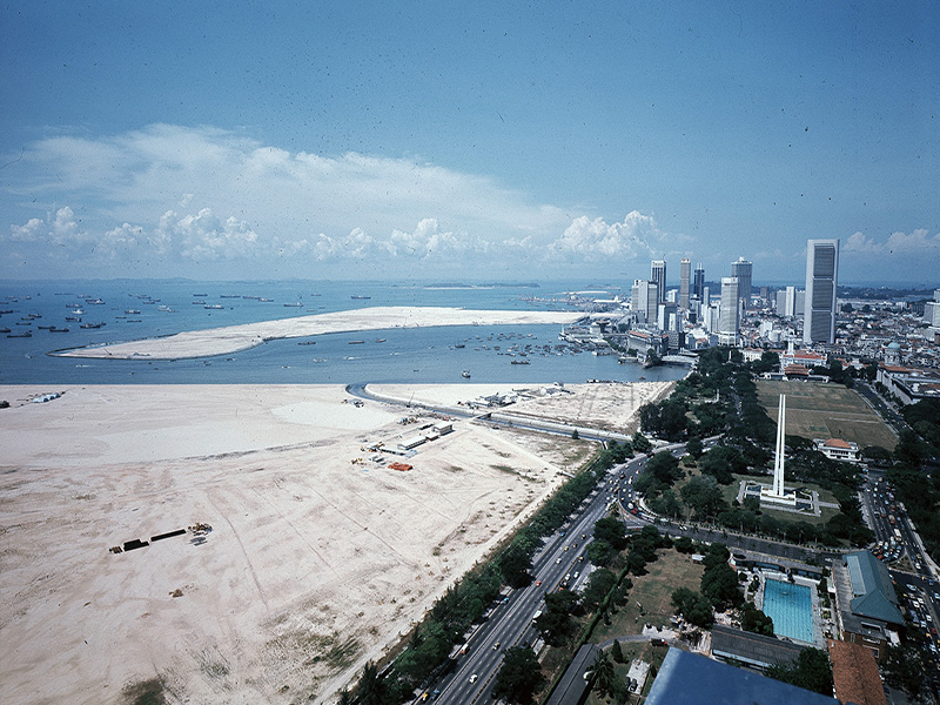
When you think of Singapore's most iconic addresses today, Marina Bay immediately comes to mind. Yet this glittering precinct didn't exist a few decades ago. In the 1970s and 1980s, the government undertook massive reclamation works that created around 360 hectares of brand-new land where water once lapped against the shoreline.
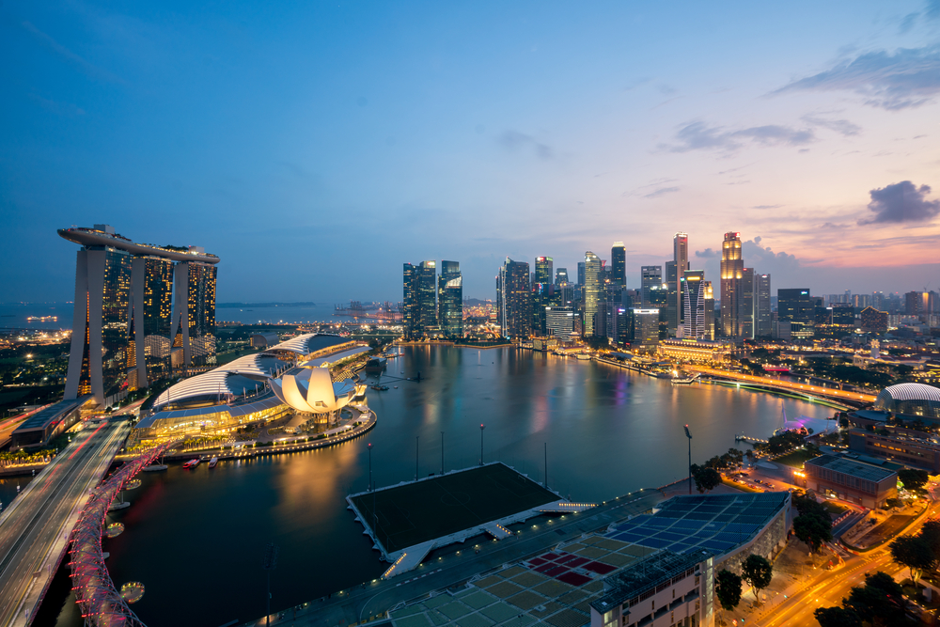
The transformation has been nothing short of remarkable. Where ships once docked, we now have Marina Bay Financial Centre (MBFC), Marina Bay Sands (MBS), and Gardens by the Bay (GBTB). Beyond the commercial landmarks, Marina Bay is becoming a residential hotspot. Marina Bay Residences set the precedent, and upcoming launches like One Marina Gardens and W Residences Marina View – Singapore are adding luxury waterfront living options. A fourth residential site along Marina Gardens Lane is slated for tender closing on 15 October 2026, according to ERA Research & Market Intelligence.
What makes Marina Bay such a success story isn't just the new land—it's the economic ripple effect. The precinct generated tens of thousands of jobs, attracted substantial foreign investment, and gave residents access to better career opportunities and lifestyle amenities. For homebuyers, reclaimed land represents some of the newest, most thoughtfully planned estates with modern infrastructure and connectivity built in from day one.
Building Upwards: Land Use Intensification in Action
When you can't expand outward, you build skyward. Land use intensification is about squeezing more utility from every parcel—typically by constructing taller, denser, mixed-use developments that combine residential, commercial, retail, and transport functions in a single footprint.
Guoco Tower stands as Singapore's tallest building at 290 metres and the perfect case study. Perched directly above Tanjong Pagar MRT Station, this integrated development houses offices, residences, a hotel, and retail space—all on a site that was previously an underutilised open green space. The transformation demonstrates how strategic intensification turns low-productivity land into vibrant live-work-play hubs that serve multiple community needs simultaneously.
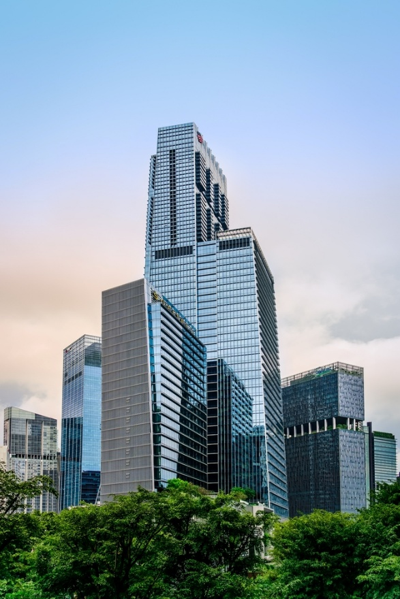
For buyers, intensified developments offer unmatched convenience. Imagine stepping out of your condo and walking straight into an MRT station, office lobby, supermarket, and dining precinct without crossing a single road. As Singapore's population continues to grow, expect more of these transit-oriented, high-density projects that maximise accessibility while preserving precious land for other uses.
Singapore Land Redevelopment: Unlocking Value from Aging Sites
While reclamation and intensification create new capacity, redevelopment is the workhorse strategy that will shape Singapore's housing landscape in the coming decades. Redevelopment breathes new life into older, underperforming sites, transforming them into assets that meet current market demands and regulatory standards.
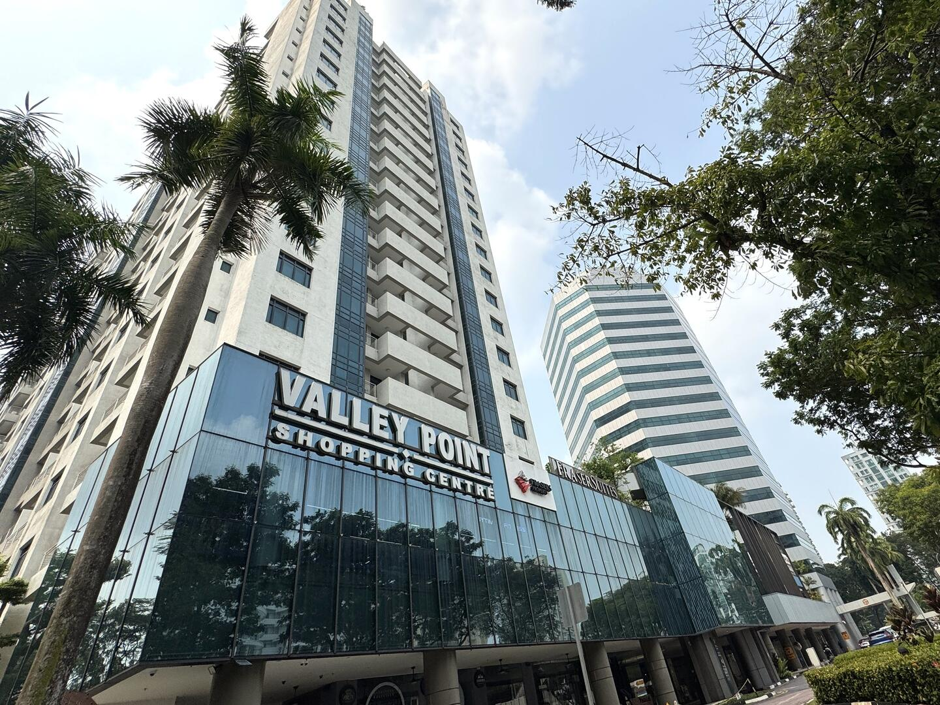
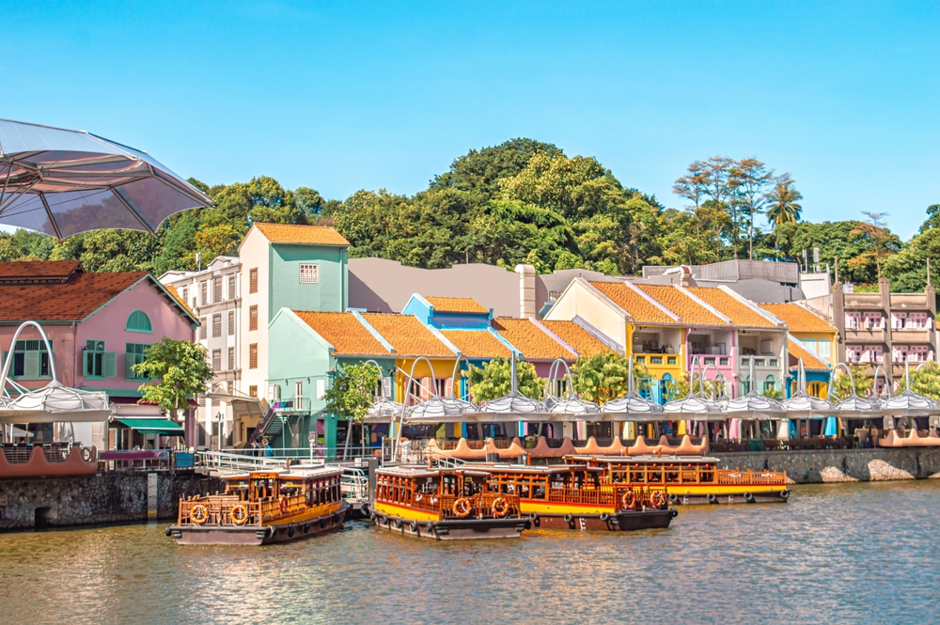
Take Valley Point Shopping Centre and Fraser Suites as an example. Despite occupying a prime riverfront location with a rare 999-year lease, the low-rise retail podium, office tower, and serviced apartments were underutilising the site's potential. Redevelopment plans will transform the property into a mixed-use project featuring 407 luxury residential units and sky villas, 184 Fraser Suites serviced residences, plus curated dining, retail, and lifestyle outlets. The result? Greater economic productivity, increased vibrancy, and more housing supply in a mature, well-connected neighbourhood.
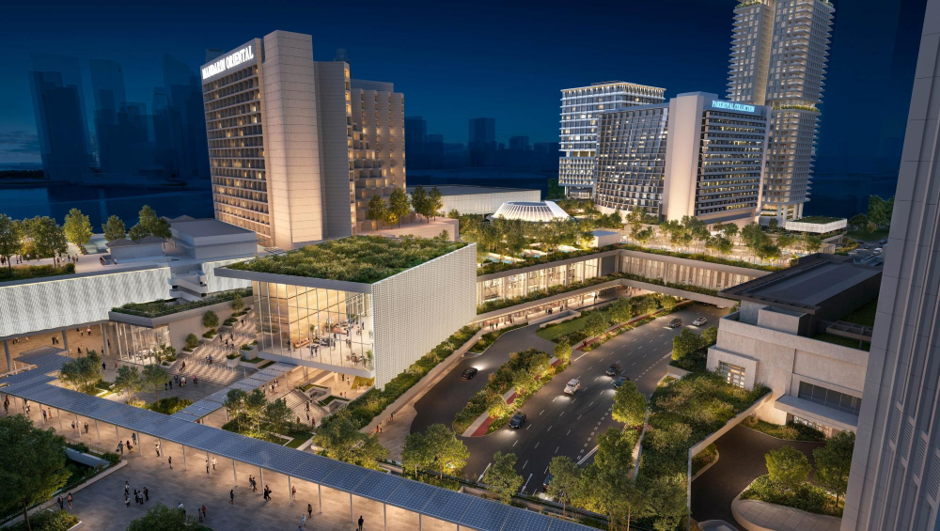
Marina Square, completed in 1986, is another high-profile redevelopment. Scheduled for closure by 31 March 2027, the site will make way for a major project comprising luxury residences, a new hotel, serviced apartments, and offices, targeted for completion by 2031. The goal is to reposition the area as an experience-led community with better integration and connectivity between surrounding developments and amenities, according to ERA Research & Market Intelligence.
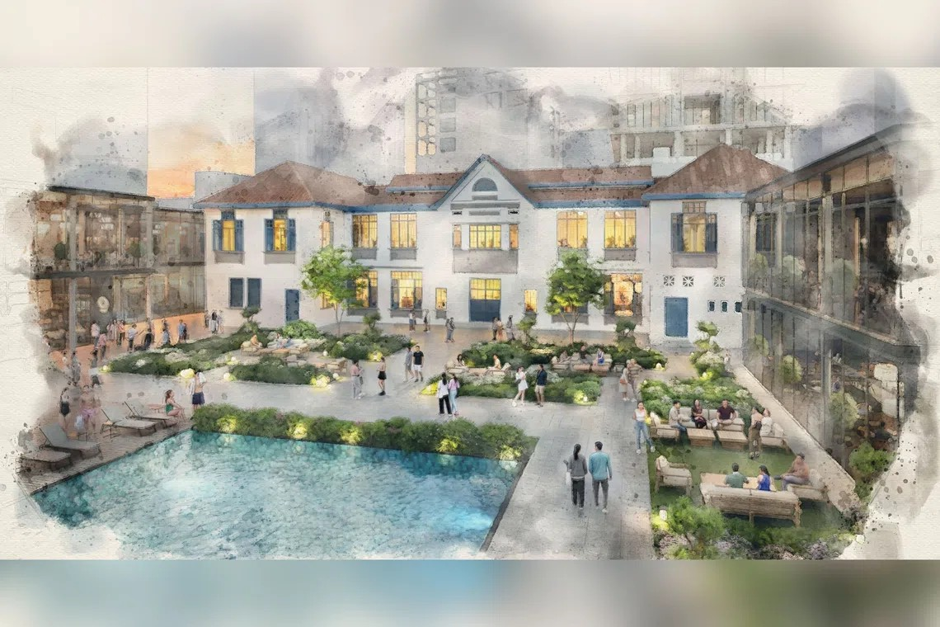
Not all redevelopment is purely economic. The former Singapore Chinese Girls' School (SCGS) campus in Orchard, built in 1925 and used until 2020, has been conserved by the Urban Redevelopment Authority (URA) for its historical significance. Under the Orchard Road Rejuvenation Plan, the site will become a mixed-use hospitality and lifestyle destination that honours its heritage while injecting fresh energy into the area.
Balancing Progress with Transition Concerns
Redevelopment isn't always seamless. When leases expire and land returns to the Singapore Land Authority (SLA) for new residential projects, existing tenants and businesses must relocate. Punggol East Container Park illustrates this challenge. With its lease expiring this year, businesses faced short-notice timelines to vacate. After stakeholder feedback, SLA offered four main tenants an extra year of lease extension, easing the transition and providing time for alternative arrangements.
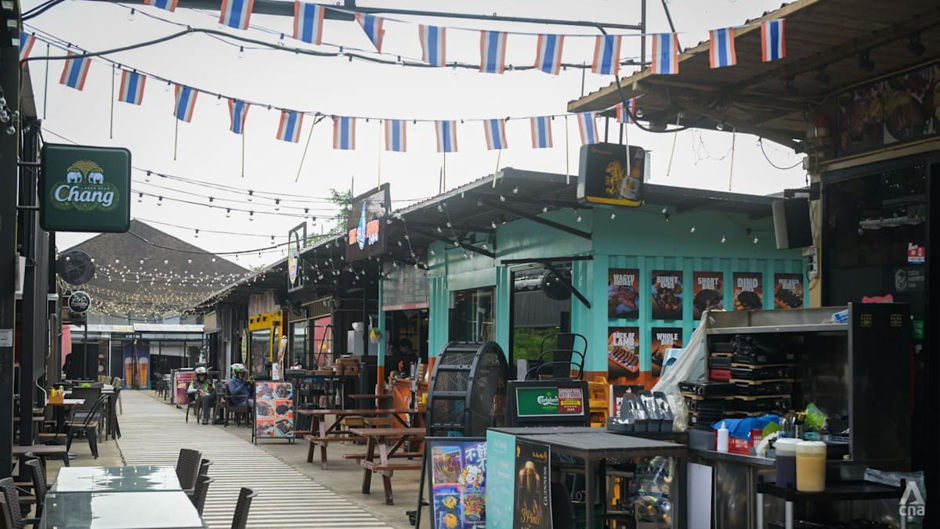
These cases highlight the delicate balancing act policymakers face: honouring the needs of current users while planning for the long-term housing requirements of a much larger population. Ultimately, redevelopment ensures Singapore remains well positioned to meet future demand, even if it means difficult short-term adjustments for some stakeholders.
What Singapore's Land Transformation Means for Homebuyers
Looking ahead, Singapore will continue leveraging all three strategies—reclamation, intensification, and redevelopment—to overcome land constraints. Among these, redevelopment is poised to play an increasingly central role as aging precincts are rejuvenated and existing land is unlocked for higher-value uses.
The government is actively planning for future housing demand. At least 80,000 new public and private housing units are expected over the next decade, supported by regular Government Land Sales (GLS) releases. These efforts underscore Singapore's commitment to maintaining a healthy housing pipeline and market stability, according to ERA Research & Market Intelligence.
Beyond redevelopment, the National Day Rally 2026 confirmed plans to merge several islands south of Jurong Island to form a larger western island. Such initiatives reinforce Singapore's dedication to overcoming geographical limitations through careful planning and innovation, ensuring the nation remains vibrant and liveable for generations to come.
Kaeden's Take: Why Land Strategy Shapes Your Property Investment
Understanding how Singapore creates space for new homes gives you a strategic edge as a buyer. Reclaimed precincts like Marina Bay offer world-class infrastructure and waterfront prestige. Projects like One Marina Gardens sit on land that was once sea—yet today, they represent some of the most coveted addresses in Asia. Intensified developments around MRT hubs deliver unbeatable convenience and capital appreciation potential. And redevelopment sites in mature estates like Orchard, Tanjong Pagar, and Marina Square combine heritage charm with modern amenities.
As a buyer, focus on locations where these three strategies intersect. Look for upcoming launches on redeveloped land in established neighbourhoods, or reclaimed waterfront plots with strong transport links. With at least 80,000 new units coming over the next decade, you'll have plenty of choices—but the best opportunities go to those who understand the "why" behind each development.
If you're evaluating new launches or want insights on which redevelopment zones offer the strongest upside, I'm here to help. WhatsApp Kaeden at +65 8800 9160 for a no-obligation consultation, and let's find the home that fits your investment goals and lifestyle needs.
People also ask
How much land has Singapore reclaimed since independence?
Singapore's land area has expanded by more than 20% since gaining independence in 1965, growing from 581 square kilometres to approximately 745 square kilometres today. Major reclamation projects like Marina Bay in the 1970s and 1980s created around 360 hectares of new land, with plans for further expansion in the coming years, including merging islands south of Jurong Island.
What is land use intensification and how does it help housing supply?
Land use intensification increases the productivity of limited land parcels by building upwards instead of outwards, creating more usable space on the same footprint. Developments like Guoco Tower—Singapore's tallest building at 290 metres—combine offices, residences, hotels, and retail above Tanjong Pagar MRT Station, transforming underutilised sites into integrated live-work-play hubs that maximise land value while accommodating population growth.
How many new homes will Singapore build in the next decade?
At least 80,000 new public and private housing units are expected to be introduced over the next decade, according to ERA Research & Market Intelligence. These units will come from regular Government Land Sales (GLS) releases and redevelopment projects, demonstrating Singapore's commitment to maintaining a healthy housing pipeline and supporting market stability despite severe land constraints.
What is happening to Marina Square in Singapore?
Marina Square, completed in 1986, is scheduled for closure by 31 March 2027 to make way for a major redevelopment project comprising luxury residences, a new hotel, serviced apartments, and offices, expected to be completed by 2031. The redevelopment aims to reposition the area as an experience-led community with enhanced connectivity between surrounding developments and amenities.
Why is land redevelopment important for Singapore property buyers?
Land redevelopment transforms aging or underutilised sites into new developments that meet current market demands, unlocking greater economic value and housing supply in mature, well-connected neighbourhoods. With Singapore's population growing from around 2 million in the 1980s to 6.21 million this June, redevelopment ensures older precincts remain relevant while supporting future housing needs in land-scarce Singapore.
What new residential projects are coming to Marina Bay?
Marina Bay will see several new residential developments including the upcoming One Marina Gardens and W Residences Marina View – Singapore, in addition to the existing Marina Bay Residences. A fourth residential development is expected on a site along Marina Gardens Lane, with tender closing scheduled for 15 October 2026, according to ERA Research & Market Intelligence.

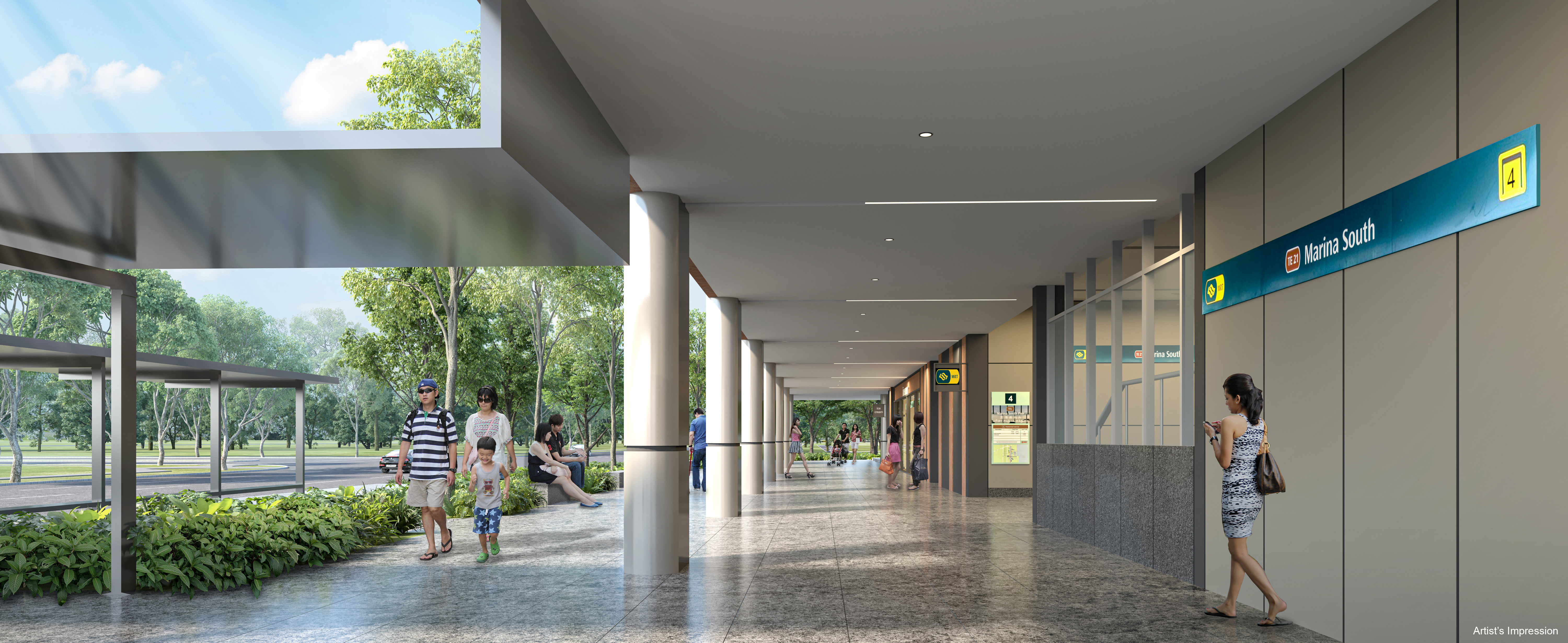
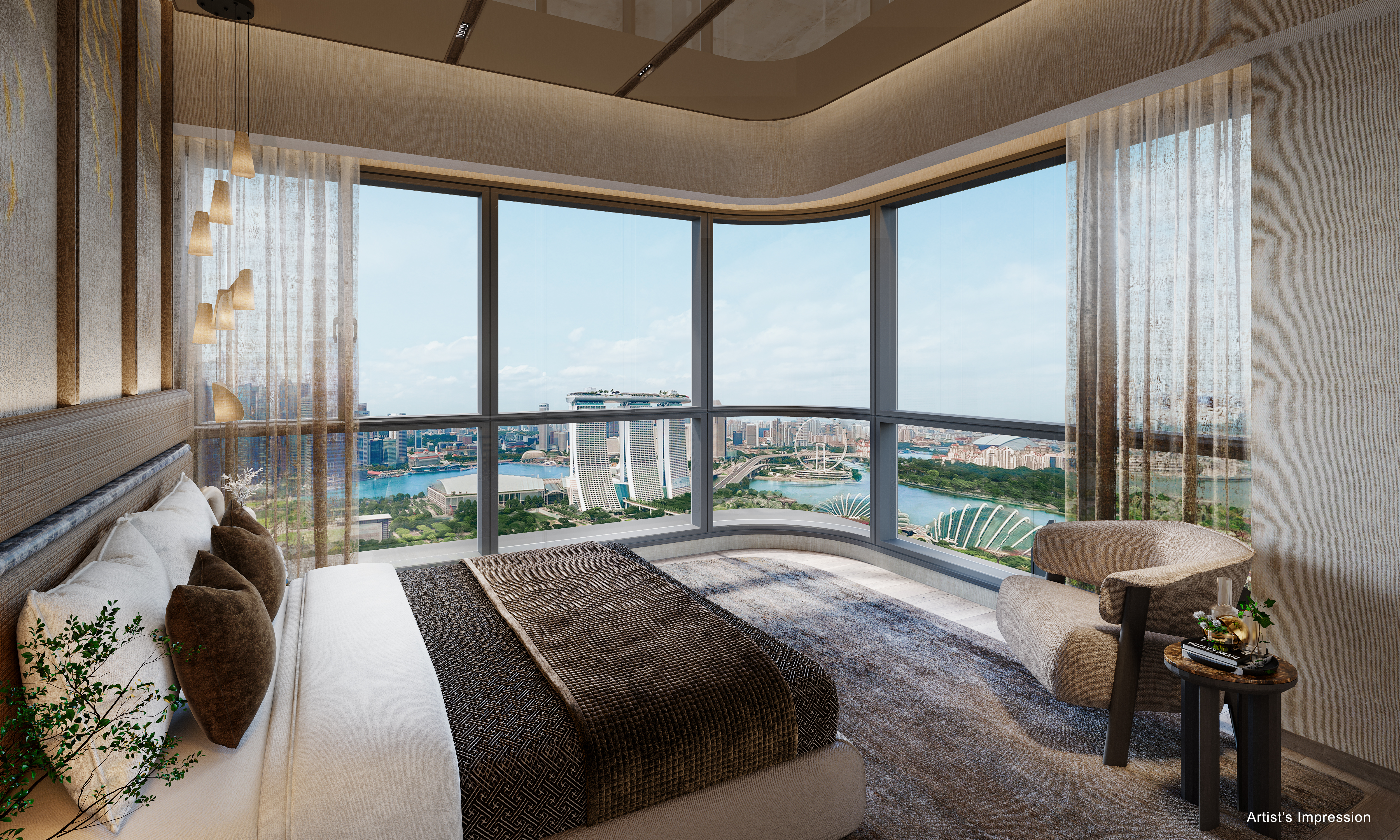

Explore the projects
- One Marina Gardens — project page, floor plans & price guide
- The M — project page, floor plans & price guide
Source and data credit: ERA Research & Market Intelligence “In Land-Scarce Singapore, How Do We Find More Spaces for New Homes?”. This article is Kaeden's personal view, not investment advice.