S$5 Million Budget: Cape Royale or a CCR New Launch?
Last updated: September 2026 · By Kaeden Ong, Assistant Division Director, ERA Realty Network
Here's a conversation I have at least twice a month. A couple has roughly S$5–5.5 million to spend. They've been to two or three Core Central Region showflats, been quoted S$3,000-plus psf, and walked out with a floor plan for something around 1,700–1,800 sq ft. Then someone forwards them a Cape Royale listing: 2,508 sq ft, sea view, S$5.3–5.6m. Same money, 40% more space. Now they're confused.
This article is the comparison I walk them through. It's deliberately generic on the new-launch side — I'm not naming a project, because the point isn't one development, it's the trade-off between a completed, large, leasehold resale unit on Sentosa and a smaller, newer, mainland unit bought off-plan. For the Cape Royale fundamentals, see the buyer's guide first.
See the full Cape Royale project page — availability elevation chart, unit mix, floor plans and the latest transacted prices, refreshed daily.
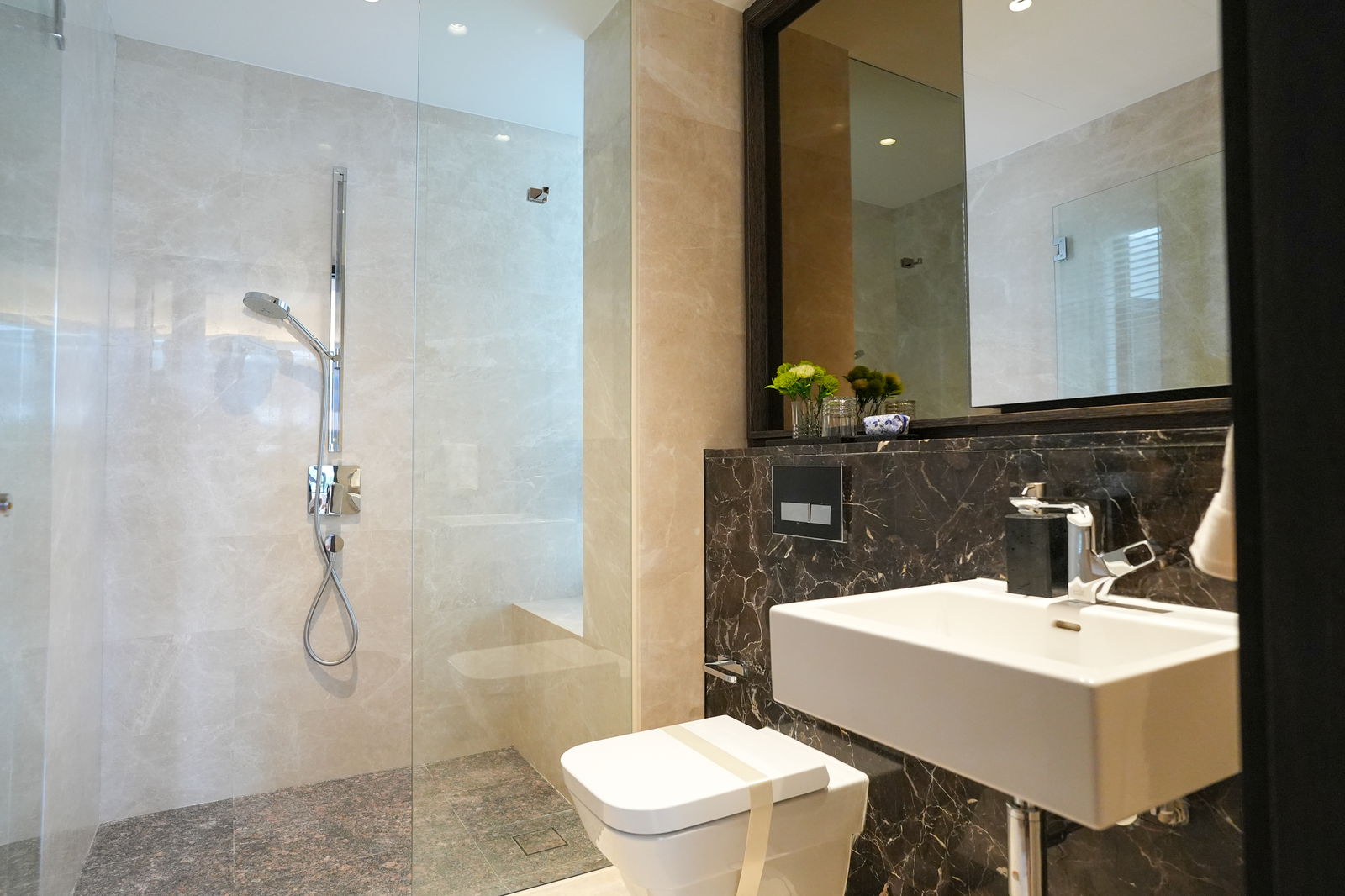
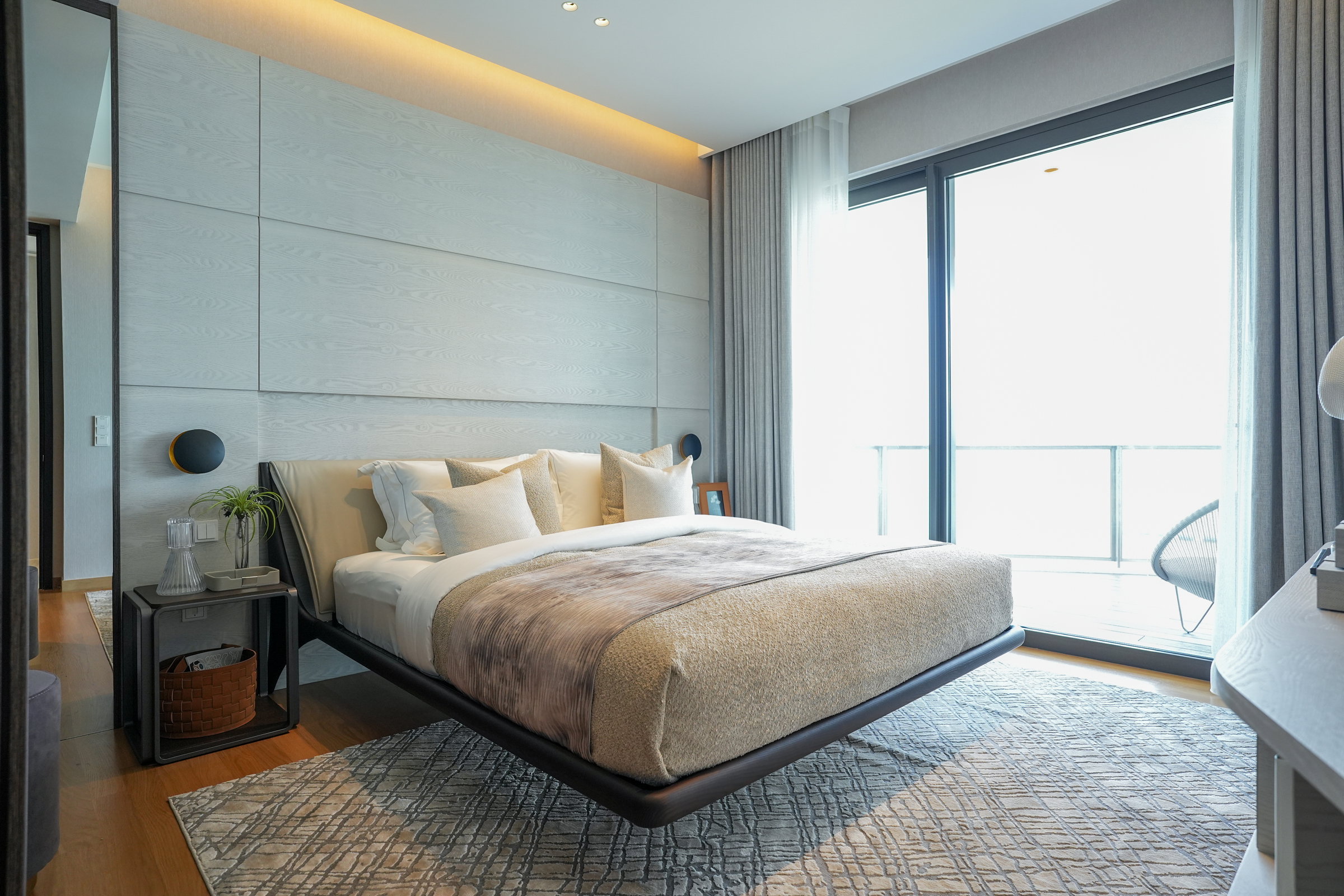
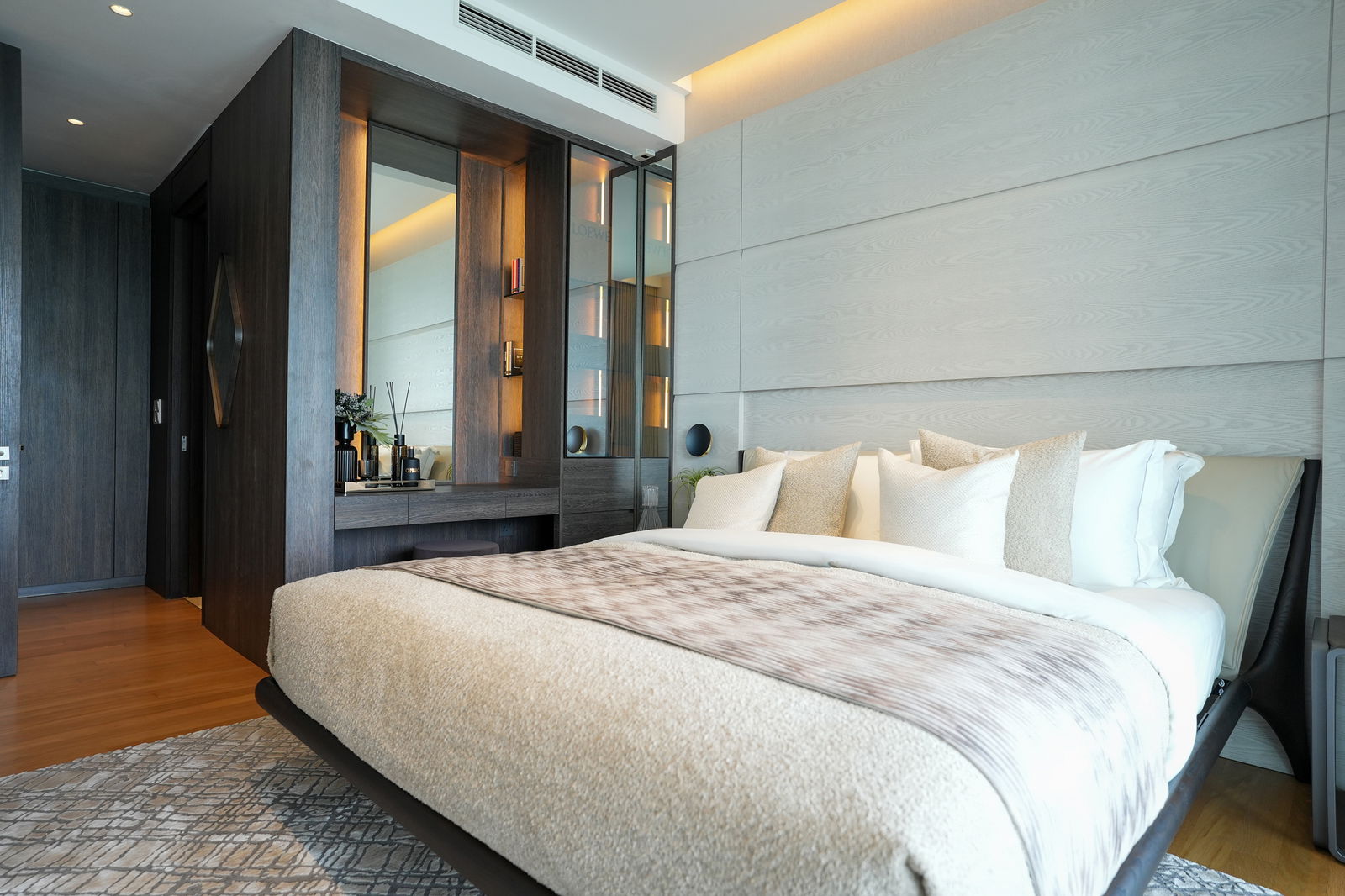
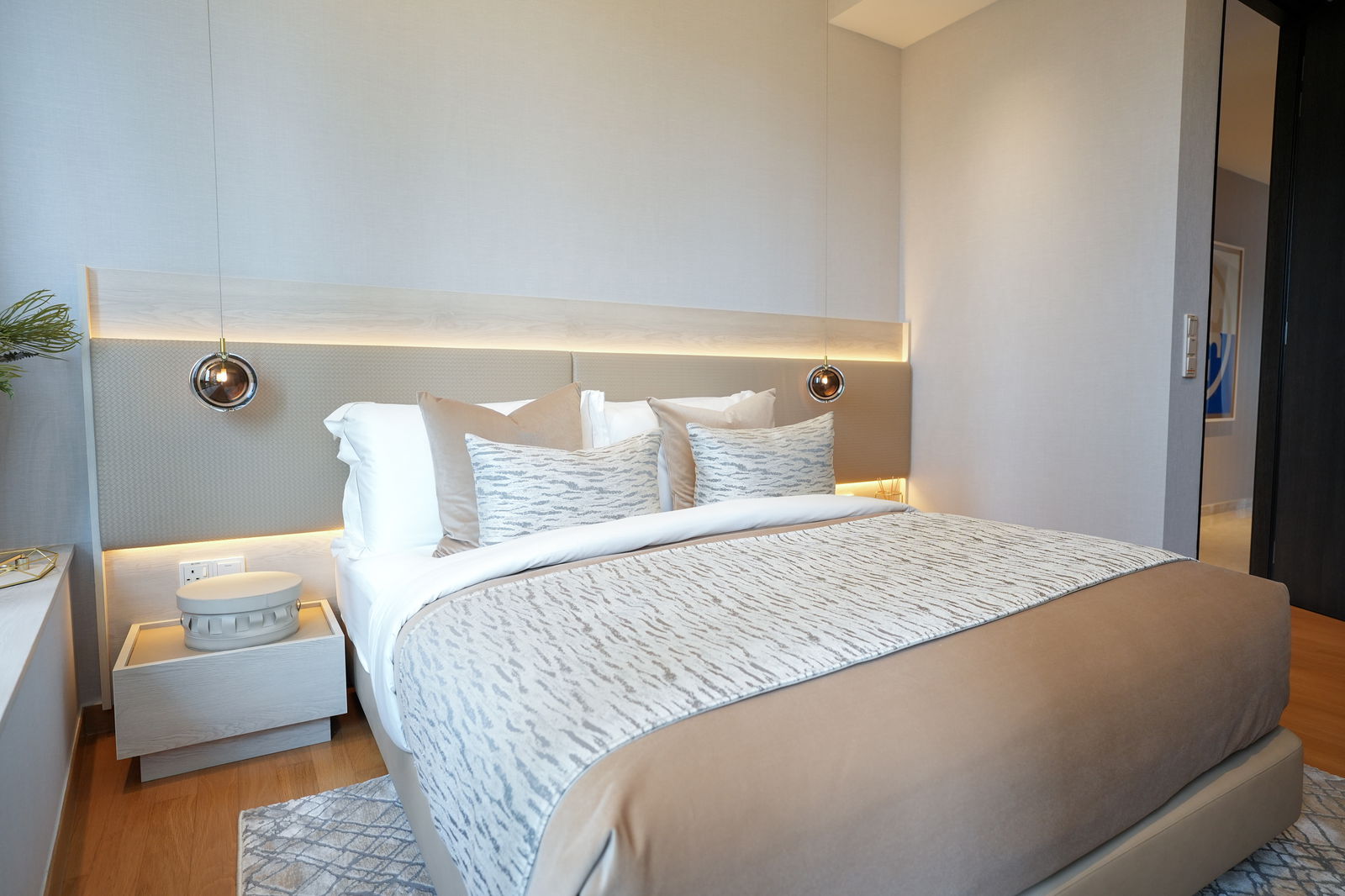

The two options, defined
Option A — Cape Royale, Sentosa Cove. A 2,508 sq ft 2- or 3-bedroom in a 302-unit, 2013-completed, 99-year leasehold project (81 years left). Recent caveats for this size: S$5.339m, S$5.472m, S$5.574m and S$6.061m between July and November 2025, or S$2,129–2,417 psf. Call it **S$5.5m at ~S$2,200 psf**.
Option B — a typical 2026 CCR new launch. Districts 9, 10 or 11, off-plan, launched at S$3,000 psf or more. For the same S$5.5m, that buys roughly 1,700–1,800 sq ft — usually marketed as a 3- or 4-bedroom, with a TOP date two to four years out.
Both attract the same BSD (about S$269,600 on S$5.5m) and the same ABSD schedule, so stamp duty doesn't decide this. Everything else does.
Side-by-side comparison
| Cape Royale (~S$5.5m) | Typical CCR new launch (~S$5.5m) | |
|---|---|---|
| Floor area | ~2,508 sq ft | ~1,700–1,800 sq ft |
| Price PSF | ~S$2,130–2,420 | S$3,000+ |
| Tenure | 99-year from 2008 (~81 years left) | Mostly 99-year from launch; some freehold |
| Completion | TOP 2013, move in on completion of sale | Off-plan; TOP typically 2–4 years away |
| Payment | Full price on completion (cash + loan) | Progressive payments tied to construction stages |
| Rental from day one | Yes — ~S$15,000/mth at the S$6 psf average | No — nothing until TOP |
| Gross yield | ~3.1–3.2% | Typically below 3% at S$3,000+ psf |
| Price trend | Flat since 2022 launch | Launch premium; growth depends on market cycle |
| Transport | Car essential; HarbourFront MRT 10–15 min drive | Usually walkable to MRT and Orchard/CBD |
| Schools | None on Sentosa; international schools 20–30 min by car | Wide choice within short distance |
| Lifestyle | Gated waterfront, marina, golf, beach clubs, quiet | Urban, dense, convenience-led |
| Liquidity | Low volumes; longer selling window | Deeper buyer pool; faster exits |
| Building age at year 10 | ~23 years | ~6–8 years post-TOP |
Prices, charts and information are for reference only and may be subject to change without prior notice. This material does not constitute financial or investment advice.
Space: the argument Cape Royale wins outright
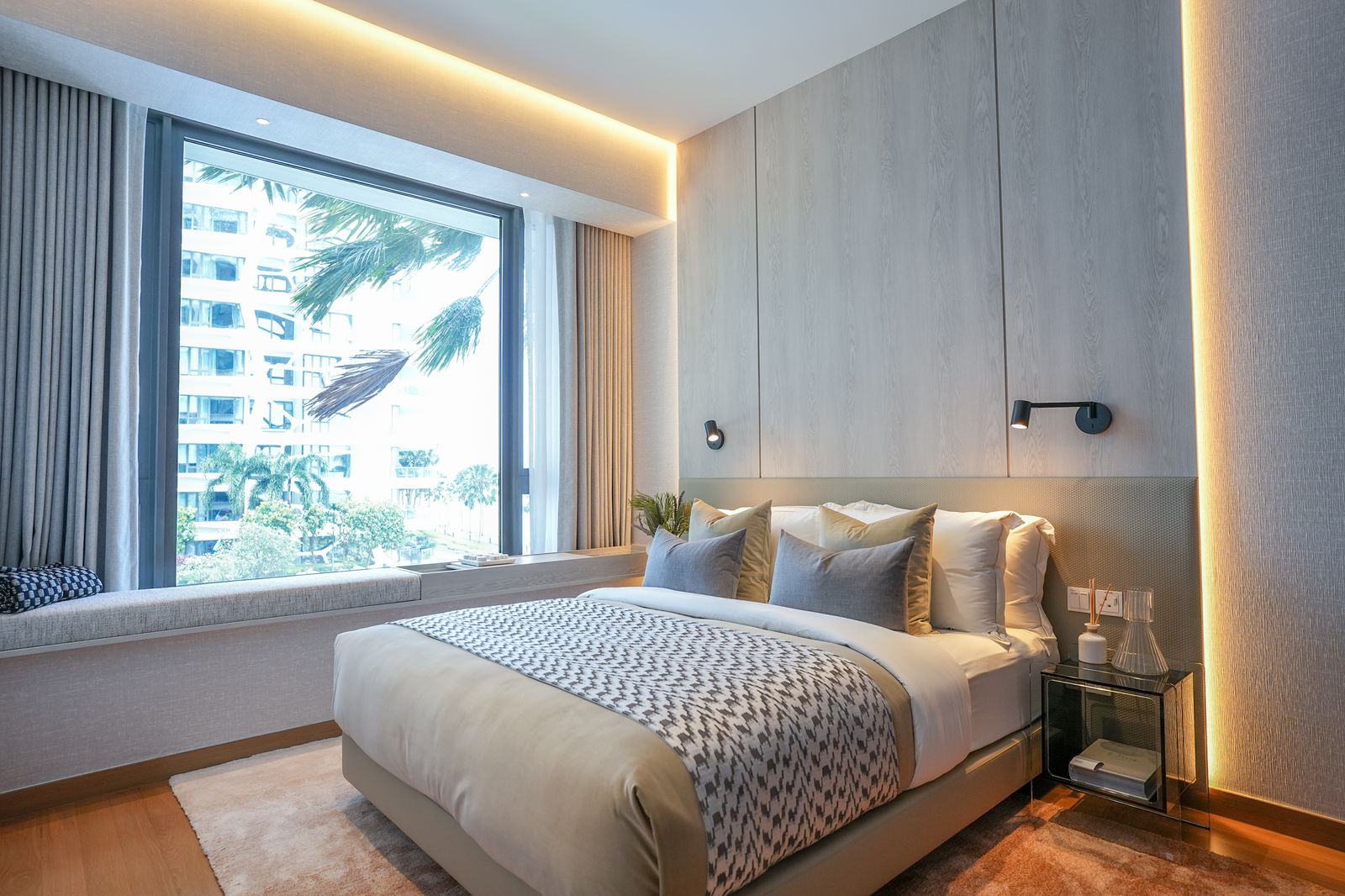
There's no way to dress this up for the mainland. At Cape Royale, S$5.5m buys a 2,508 sq ft unit with wide frontage, a proper balcony and a family-sized kitchen. In a CCR launch at S$3,000+ psf, the same budget buys 1,700–1,800 sq ft, and developers typically slice that into four bedrooms with a compact kitchen and a balcony you can stand in but not dine on.
If you're a family that entertains, works from home, or simply hates clutter, the extra 700-plus sq ft changes how you live. It's the single biggest reason people choose Sentosa.
Tenure: closer than you'd think
Buyers assume the new launch wins on tenure. Sometimes it does — a freehold CCR launch is a genuine long-term advantage. But most 2026 CCR launches are also 99-year leasehold, and a fresh 99-year lease versus Cape Royale's ~81 years is an 18-year gap, not a category difference. Both sit on the gentle part of Bala's curve for the next decade or two.
Where it matters: if you're buying for a 30-year-plus hold or for the next generation, freehold beats both. If you're holding 10–15 years, the tenure gap between a fresh 99-year launch and Cape Royale is real but modest. See the investment analysis for the lease-decay detail.
Payment: progressive versus completed
This is where the new launch has a structural advantage that buyers underrate.
- New launch: you pay in stages as construction progresses. Your loan is drawn down gradually, so your monthly repayments start small and ramp up over two to four years. If you're selling an existing home, that runway is valuable.
- Cape Royale: it's a completed resale. You pay the full price on completion of the transaction, your loan is fully drawn from day one, and your full monthly repayment starts immediately.
Against that, Cape Royale gives you certainty. You've walked the actual unit, seen the actual view, checked the actual finishes. The new-launch buyer is trusting a showflat and a brochure.
Rental readiness: income now versus income later
If you're buying with a rental component in mind — renting out before you move in, or as a pure investment — this is a big gap.
- Cape Royale has been a rental asset since 2013. A 2,508 sq ft unit at the S$6.00 psf average lets for roughly S$15,000 a month, to expat senior management and families, from the day you complete. That's a ~3.1–3.2% gross yield covering a meaningful share of your interest cost.
- The new launch produces nothing until TOP, and even then you're competing with dozens of identical units hitting the rental market in the same quarter. At S$3,000+ psf, achieving 3% gross is difficult.
Capital growth: where the new launch earns its premium
This is the honest case for the mainland. Cape Royale's PSF has been flat since the 2022 launch — S$2,100–2,200 then, S$2,130–2,420 now. That's stability, not growth.
CCR new launches are priced at a premium partly on the expectation that a new, well-located, MRT-connected product appreciates over a cycle. Whether that actually happens depends on the market when you sell, and the launch premium can take years to be absorbed. But if capital growth is your main objective, the mainland has a better track record of delivering it than Sentosa Cove does.
Put simply: Cape Royale is a store of value with a 3% coupon. The new launch is a growth bet with a smaller coupon and a longer wait.
Lifestyle and transport: opposite ends of the spectrum
- Cape Royale is gated, quiet and waterfront. Quayside Isle, ONE°15 Marina, Sentosa Golf Club and Tanjong Beach Club are minutes away. But there's no MRT on Sentosa, no school on the island, and HarbourFront MRT and VivoCity are a 10–15 minute drive through the gantry. Two cars is the norm.
- A CCR new launch is the opposite: dense, walkable, an MRT station nearby, schools and clinics within a short radius, and Orchard or the CBD a short hop away. You trade quiet for convenience.
Neither is objectively better. Ask yourself how many times a week you'd actually use the marina versus the MRT.
Liquidity: the mainland's quiet advantage
Sentosa Cove transacts in low volumes. Cape Royale's owner-heavy profile (52.1% Singaporean, 29.9% PR by caveat) keeps prices steady, but when you sell, you're marketing to a small pool of buyers who want a S$5m+ car-dependent island home. Budget a longer selling window.
A CCR condo, even a 99-year one, sells into a much deeper market — local upgraders, investors, foreigners, FTA nationals. Exits are faster and pricing is more transparent. If you think there's any chance you'll need to sell quickly, this matters more than PSF.
Holding costs: both are expensive, differently
Maintenance on a 2,508 sq ft Cape Royale unit will be higher in absolute terms than on a 1,750 sq ft mainland unit simply because contributions scale with size — confirm the figure for the specific stack at viewing. Property tax works the same way for both (owner-occupier 0–32%, non-owner-occupied 12–36% on Annual Value), but Cape Royale's higher rent means a higher AV. On the other hand, the new-launch buyer carries two to four years of progressive payments with no rental income to offset them.
Which buyer picks which
Pick Cape Royale if you:
- Value floor area and a waterfront setting above a District 9/10 address
- Already live a car-based life and don't depend on MRT or walkable schools
- Want rental income or a rental fallback from day one
- Are a Singaporean, PR or FTA national paying 0–5% ABSD on a first property
- Have a 10–15-year horizon and are comfortable with slower resale
- Prefer buying something you can see, touch and move into next month
Pick the CCR new launch if you:
- Prioritise capital growth over yield and space
- Need MRT access, walkable schools or a short CBD commute
- Want the progressive payment runway while you sell your current home
- May need to exit within five to seven years and want a deeper buyer pool
- Are buying freehold and thinking multi-generationally
- Would rather have a new building than a 13-year-old one, even at 70% of the floor area
If you're on the fence: the deciding question is usually transport. Buyers who say "we'll manage without the MRT" and mean it are happy at Cape Royale. Buyers who say it and don't mean it are back on the mainland within three years — and paying SSD for the privilege.
Frequently asked questions
How much space does S$5.5m buy at Cape Royale versus a CCR new launch? About 2,508 sq ft at Cape Royale (recent caveats S$5.34–6.06m for that size) versus roughly 1,700–1,800 sq ft in a 2026 CCR new launch at S$3,000+ psf.
Is Cape Royale cheaper than a new launch? On a PSF basis, yes — around S$2,250 psf against S$3,000+ psf. The total quantum is similar; you're paying the same money for more space in an older, car-dependent leasehold project.
Does a new launch have a better rental yield than Cape Royale? Usually not. Cape Royale yields about 3.1–3.2% gross with tenants from day one. A new launch produces no rent until TOP and typically yields below 3% at S$3,000+ psf.
Is a fresh 99-year lease much better than Cape Royale's 81 years? It's an advantage of roughly 18 years, meaningful for a 30-year hold but modest for a 10–15-year one. Freehold CCR launches are a bigger tenure advantage than fresh 99-year ones.
Which is easier to sell later, Cape Royale or a CCR condo? A CCR condo. Sentosa Cove transacts in low volumes, so Cape Royale sellers should expect a longer marketing window even though pricing has been stable.
Do I pay the same stamp duty on both? Yes. BSD on S$5.5m is about S$269,600 either way, and the ABSD schedule (SC 0/20/30%, PR 5/15%, foreigner 60%) applies identically. SSD of 16/12/8/4% applies to both if sold within four years.
Want the side-by-side for your actual shortlist?
I work Sentosa Cove daily and keep a live comparison of every non-landed project on the island — PSF, yield, liquidity, available stacks and what's quietly for sale off-market. If you're weighing Cape Royale against a specific CCR launch, message me with the project name and I'll send you the numbers side by side before you commit to either showflat.
Kaeden Ong · Assistant Division Director, ERA Realty Network · ERA Top 50 · CEA Reg. L3002382K Kaeden Property · WhatsApp for a same-day reply
More on Cape Royale
- Cape Royale Sentosa Cove: the full buyer's guide
- Cape Royale price and PSF in 2026
- Cape Royale rents and rental yield
- Is Cape Royale a good investment?
- Cape Royale floor plans and best stacks
- Living at Cape Royale: location and amenities
- Cape Royale review: honest pros and cons
- Can foreigners buy Cape Royale? ABSD and costs
- Cape Royale vs W Residences Sentosa Cove
Cape Royale project page · All new launches · Ask Kaeden a question
Prices, charts and information are for reference only and may be subject to change without prior notice. This material does not constitute financial or investment advice.