Is W Residences Sentosa Cove a Good Investment? Yield, Overhang and Exit
Last updated: September 2026 · By Kaeden Ong, Assistant Division Director, ERA Realty Network
See the full The Residences at W Singapore – Sentosa Cove project page — availability elevation chart, unit mix, floor plans, videos and the latest transacted prices, refreshed daily.
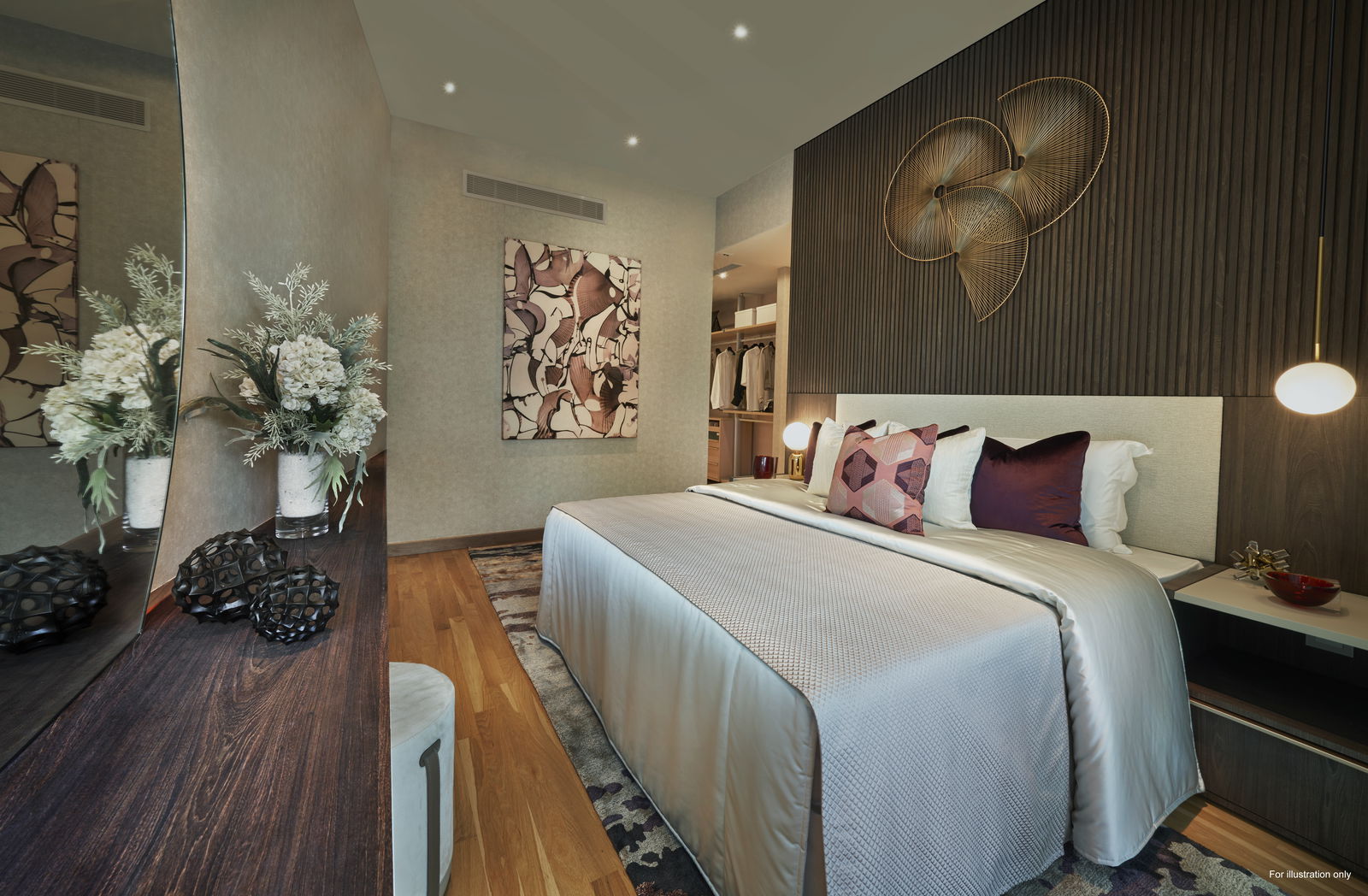
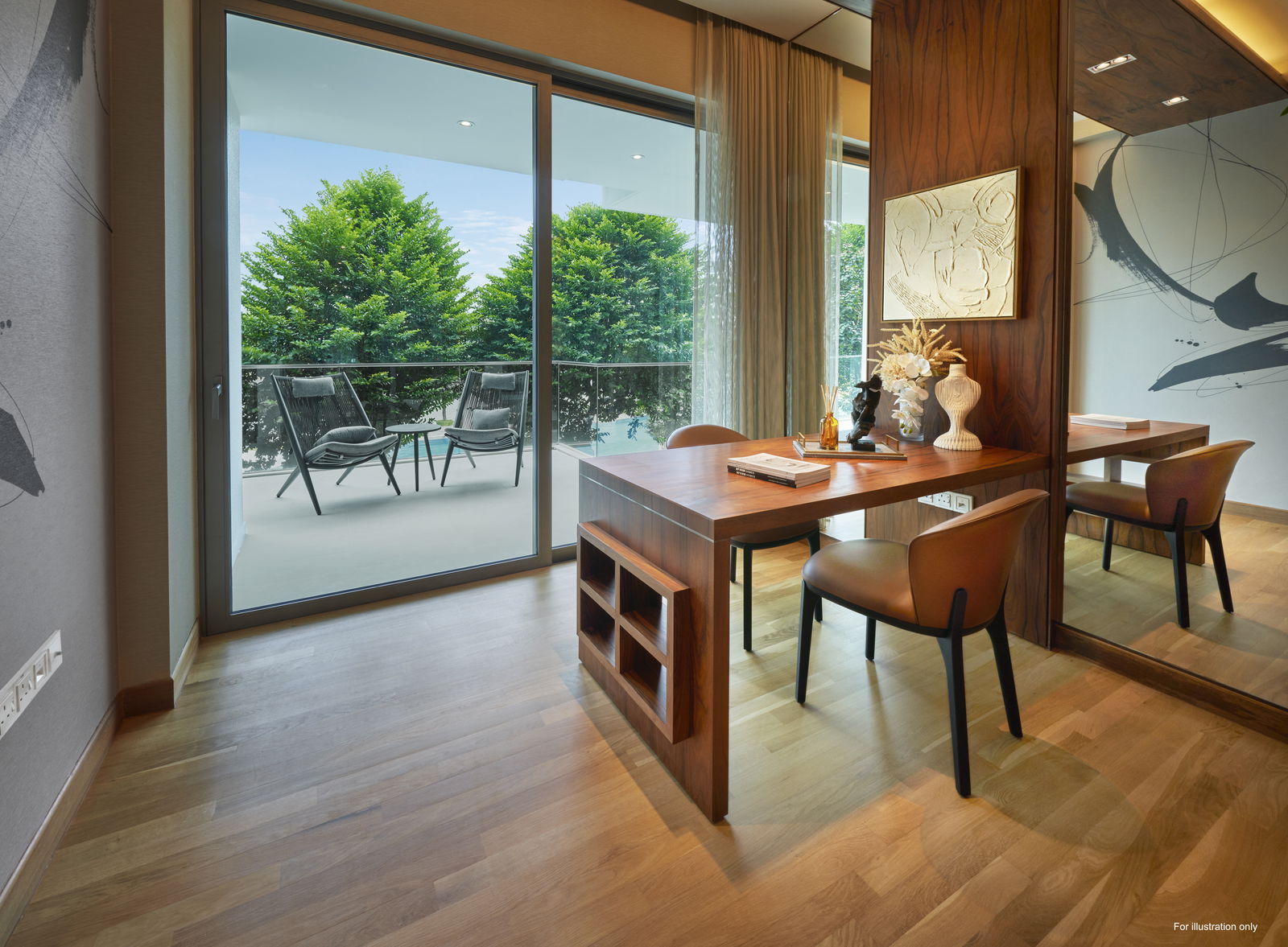
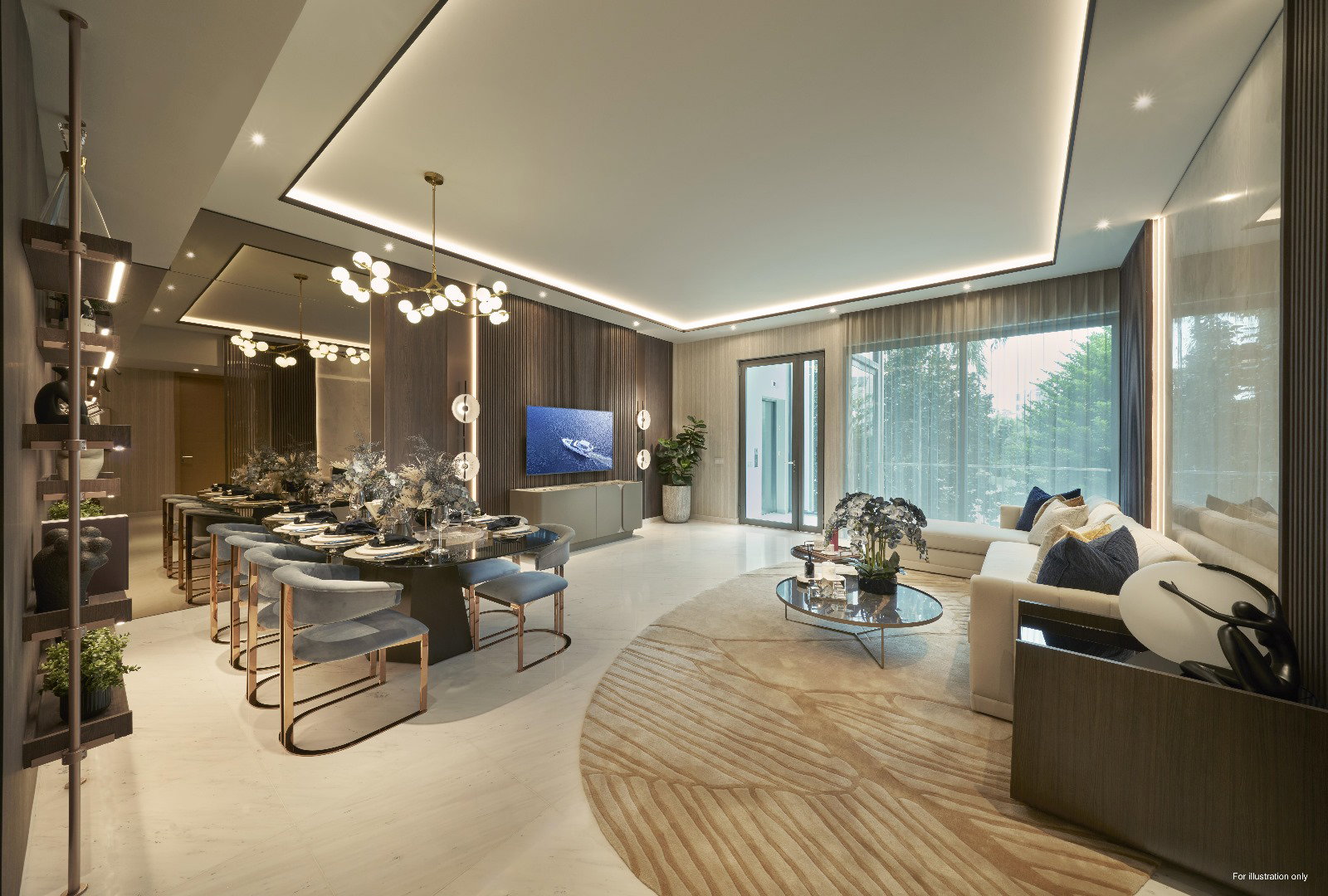
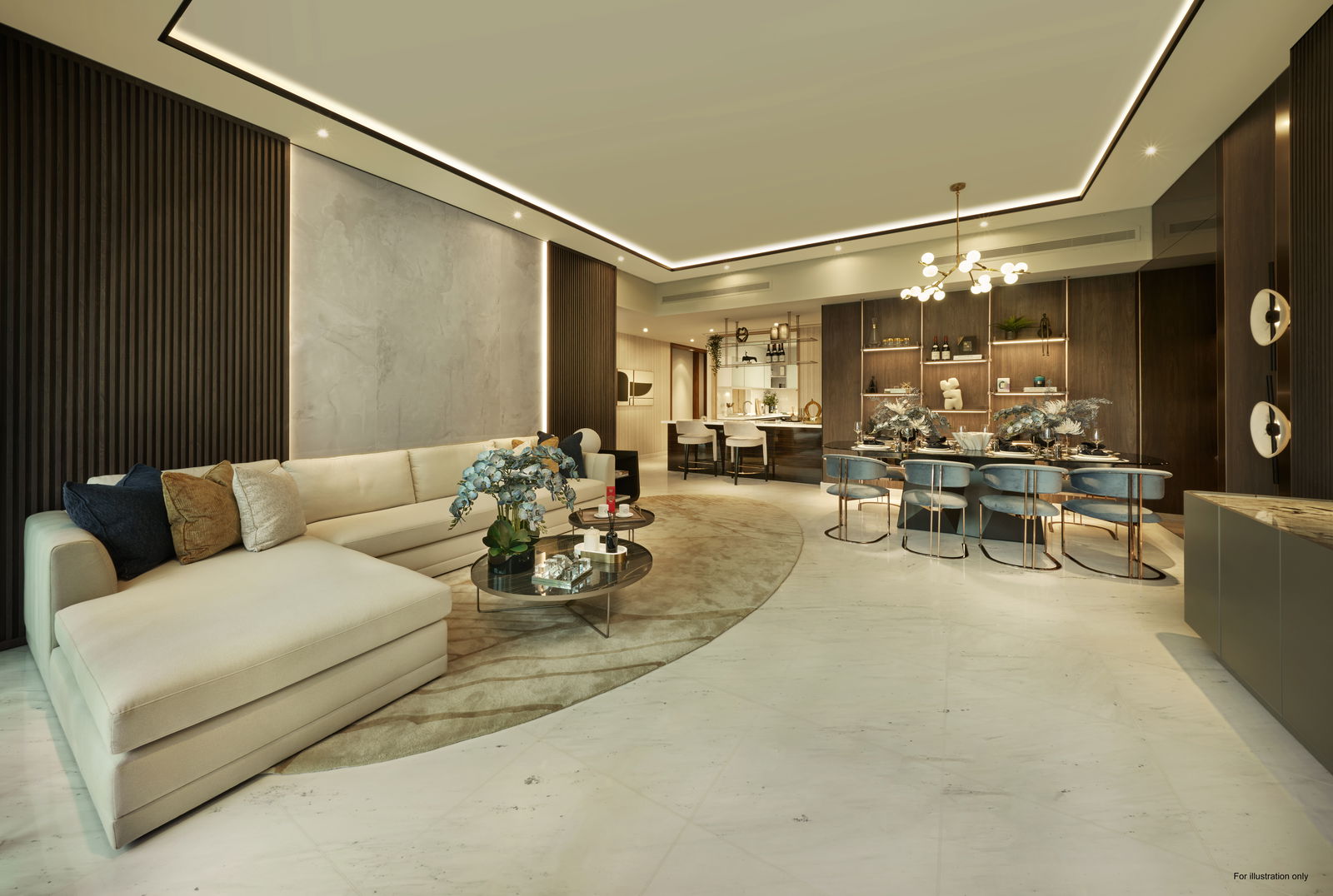
The investment case for The Residences at W Singapore – Sentosa Cove is easy to state and hard to settle. Easy: the price has been cut by roughly 40% since 2010, rents have not, and the resulting gross yield of around 3.6% beats almost any prime condo in Singapore. Hard: the developer that cut the price still holds most of the building, and every unit it sells competes with yours on exit.
This article works through yield, whether the bottom is in, developer overhang, lease decay, stamp duty, the Sentosa Cove trend, a cautionary tale from next door, the Greater Southern Waterfront upside, three buyer scenarios and the exit strategy I'd want before signing.
Yield: the strong part of the case
- Average rent: about S$5.4–5.5 psf per month (6-month S$5.25; 12-month S$5.42), range S$4.1–7.7 psf.
- By type: 2BR from ~S$7,300; 3BR median ~S$11,200; 4BR ~S$11,800–20,000; large 5BR and penthouses up to ~S$26,000–30,000.
- Gross yield: roughly 3.5–3.6% on published averages. Some listings quote closer to 4%; treat that as the optimistic end.
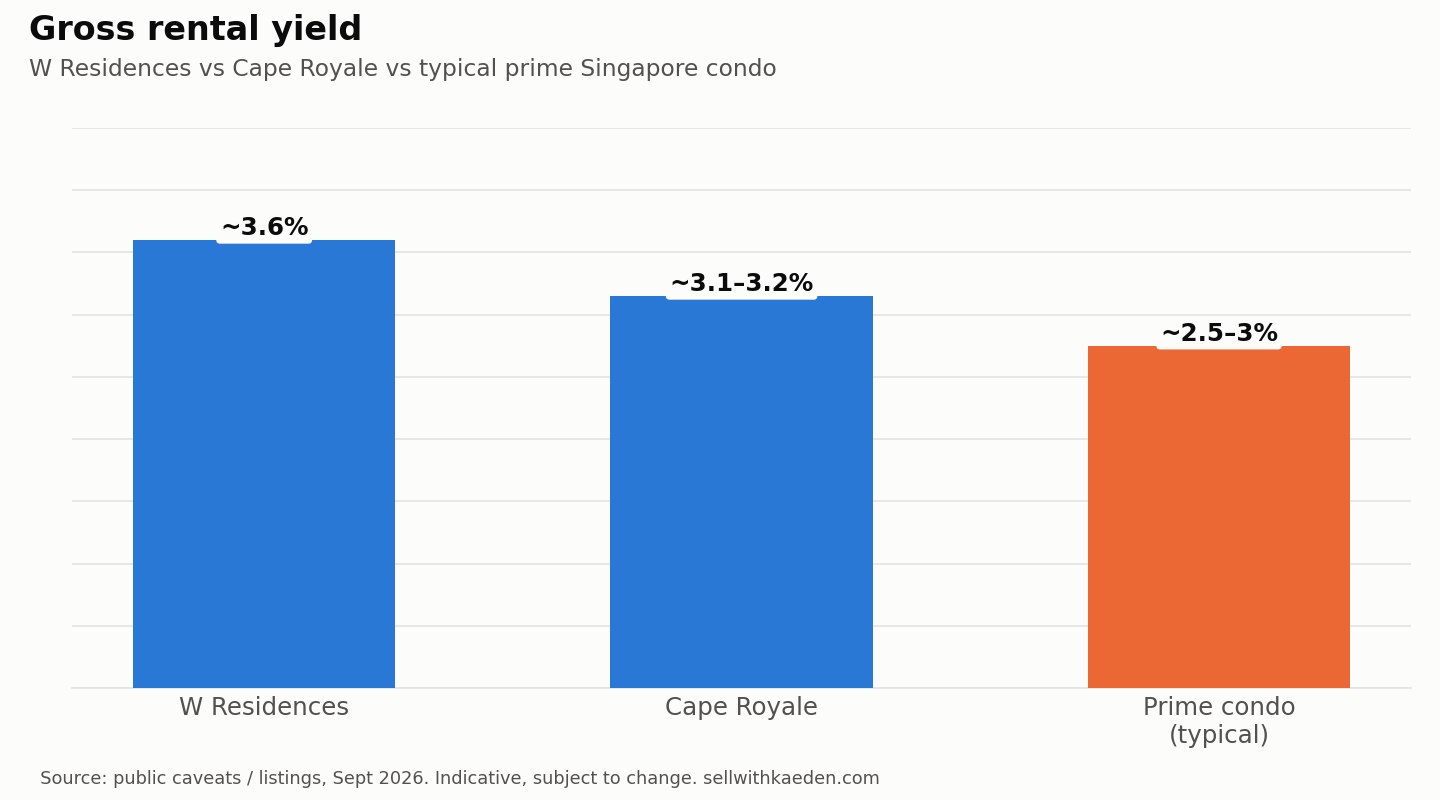
Two notes. First, the yield comes from a low denominator, not a high numerator: 3-bedders at W and Cape Royale rent in the same band (S$9,800–11,500 at Cape Royale), but W's entry price is about S$400 psf lower. Second, gross is not net: deduct MCST, sinking fund, SDC charges, any branded-residence service charge, property tax at 12–36% and vacancy. The rental yield article walks through the net calculation.
Is the bottom in? Both sides
The case that it is:
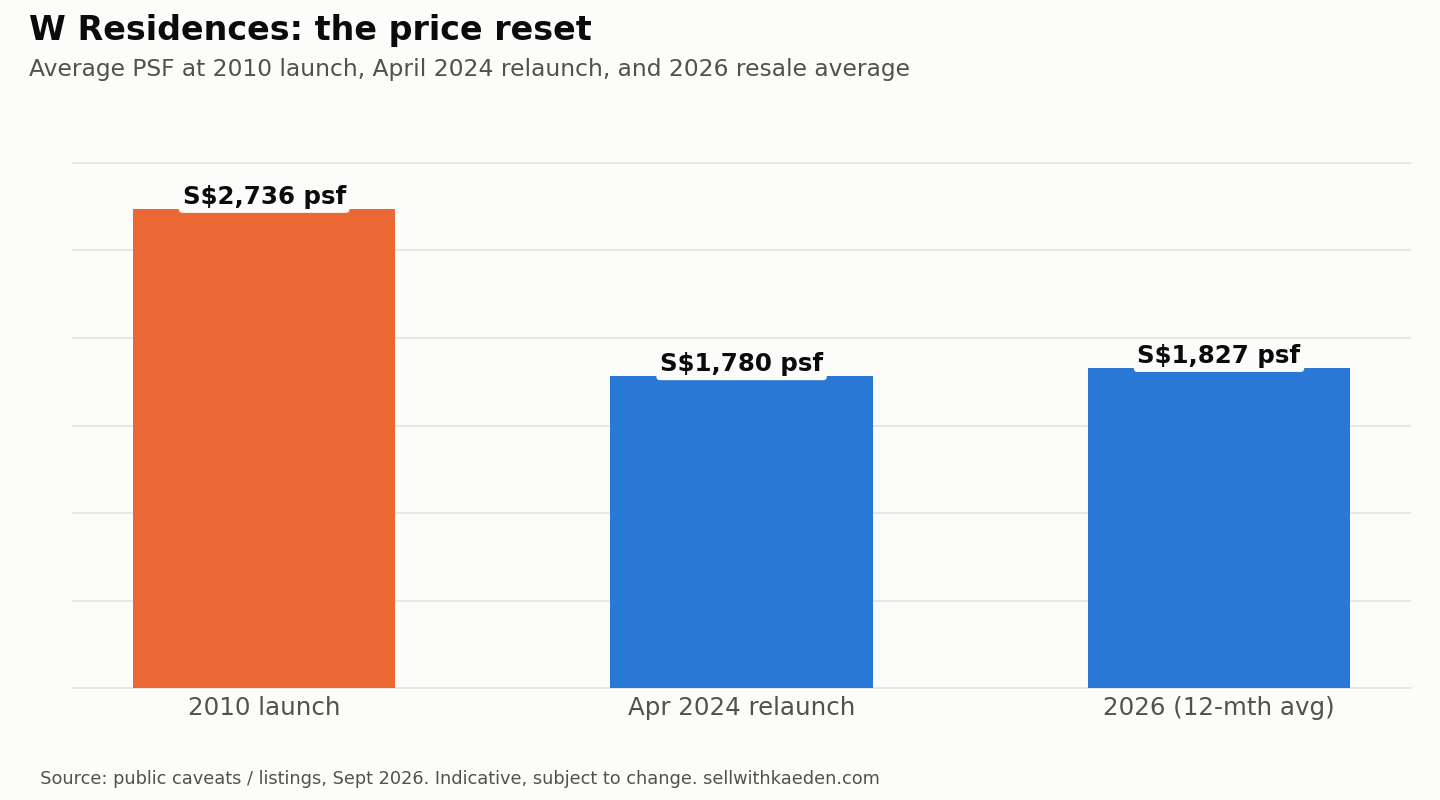
- The April 2024 relaunch cleared 65 units in a week at ~S$1,780 psf. That is what real demand at that price looks like.
- The 12-month average has edged up to S$1,827 psf and the 6-month to S$1,838. The lowest recorded resale is S$1,645 psf (April 2024); recent caveats print above it: S$1,858 (Dec 2025), S$1,946 (Jan 2026), S$1,738 (Mar 2026), S$1,768 (Apr 2026).
- The developer said future phases would come at slightly higher psf, so its reference price is moving up.
- No further new residential supply is coming to Sentosa Cove.
The case that it isn't settled:
- Four caveats across S$1,738–1,946 psf is a band, not a trend; the March and April 2026 prints sit below January's.
- Sentosa Cove fell 3.6% in 2024 after peaking in 2023. W relaunched into a softening island market.
- The developer controls supply. A floor set by one seller is only as firm as that seller's patience.
- Buyers are 7.5% foreign by caveat and the relaunch was 94% SC/PR. With foreigner ABSD at 60%, the international bid is largely absent.
My read: the reset created a floor in the high S$1,600s to low S$1,700s psf, and upside from here is slow and bounded by the developer's list rather than the open market.
Developer overhang: your competitor on exit
In 2024 the developer held 203 of 228 units and released 58. A large stock remains in CDL's private investment platform, including 17 penthouses unsold in 2024 marketing; CDL still described the unsold component that way in December 2025.
This is the central risk. When you list a resale 3-bedder, the buyer's alternative is a first-hand unit at a psf the developer chooses. The stated intention of slightly higher psf on future phases gives you cover, but it also caps you: your resale will rarely clear above the developer's current ask for a comparable unit. Until the overhang thins, capital growth at W is on a leash held by someone else.
Lease decay: 79 years and Bala's curve
The lease runs 99 years from 31 October 2006, so roughly 79 years remain. Bala's curve relates a leasehold interest to its freehold equivalent. Qualitatively, value loss per year is gentle in the early decades and then accelerates: at 79 years a leasehold retains the large majority of its freehold value; by 60 the gradient steepens, and below that bank financing and CPF usage tighten, shrinking the buyer pool.
For a 10-year hold you'd sell at around 69 years, still on the flatter part, but your buyer will be looking at a 60-something-year asset by the end of their own hold and will price that in. Lease decay won't hurt you in year one; it quietly shaves your exit in year ten.
SSD and stamp duty on the way in
- BSD on a S$3.4m 3-bedder is S$143,600. On S$5.0m it's S$239,600; on S$6.08m, S$304,400.
- ABSD: SC 0/20/30%, PR 5/15%, foreigner 60%, entity 65%. US, Swiss, Norwegian, Icelandic and Liechtenstein nationals are treated as Singapore Citizens. The foreigner and ABSD guide has the full tables.
- SSD since 4 July 2025 runs four years at 16/12/8/4%. A sale in year two costs 12% of price, which is more than three years of gross rent.
- LTV 75/45/35% and TDSR 55%. Foreigners can't use CPF.
The SSD schedule alone rules out any plan shorter than four years.
Sentosa Cove trend 2020–2024

The island rose roughly 31% from 2020 to 2023 and gave back 3.6% in 2024. W at ~S$1,830 psf sits just under the 2024 island average: a fair entry relative to neighbours, not a bargain relative to the island's 2020 base.
The Oceanfront: a caution on timing
The Oceanfront @ Sentosa Cove is the closest comparable: 264 units, TOP 2010. Its resale record shows 197 profitable versus 86 unprofitable transactions, a 58.6% profitability rate, and it averages about S$1,724 psf today. Roughly two in five sellers lost money, mostly those who bought near the 2010–2013 peak. Buying W at the reset price puts you on the right side of that lesson, but Sentosa Cove punishes bad timing harder than the mainland because there are fewer buyers to bail you out.
The upside case: GSW and Sentosa–Brani
The Greater Southern Waterfront, the Sentosa–Brani Master Plan and Resorts World Sentosa's S$6.8bn expansion are real, funded and multi-decade. They raise the long-run floor for the southern coast, but they put no date on anything and change neither the overhang nor the lease clock. Treat them as the reason a 10–15-year hold might end well, not a catalyst for the next three years.
Three scenarios
1. Owner-occupier (works)
Buy a 3-bedder around S$3.3–3.4m, live in it, hold 7–10 years. You pay owner-occupier property tax (0–32%), enjoy the brand and marina, and the exit ceiling matters less because you weren't buying for the exit. The overhang is a risk you can wait out. This is where W is clearly sound.
2. Yield investor (works, with conditions)
Buy at the reset price, let to the expat and hotel-lifestyle tenant pool at roughly 3.5–3.6% gross, and hold past the SSD window. Conditions: SC, PR or FTA-national ABSD status; a realistic net yield after MCST, sinking fund, SDC, service charges and 12–36% property tax; and acceptance that growth is capped until developer stock clears. Done that way, it's a defensible income asset with a possible GSW kicker.
3. Flipper (fails)
Buy now, sell in 2–3 years into a "recovery". This fails on four counts: SSD of 12% or 8% wipes out the gain; the developer is still selling comparable units and sets the price; foreign demand at 7.5% of caveats gives you no bid to sell into; and Sentosa Cove liquidity means months, not weeks, to find a buyer.
Exit strategy before you enter
- Buy the stack the developer isn't selling. Front-row, marina-facing units are scarcer and less exposed to developer competition.
- Plan a minimum five-year hold, ideally seven to ten, so SSD is gone and the overhang has thinned.
- Track the developer's remaining stock each year. Your exit window opens when their list shortens.
- Keep the unit lettable. A strong tenancy record sells to the next yield investor even when the owner-occupier bid is quiet.
- Sell into island strength, not against it. Watch the Sentosa Cove average, not just W's.
Frequently asked questions
Is W Residences Sentosa Cove a good investment? For yield-focused investors and owner-occupiers with a five-year-plus horizon, it is defensible: roughly 3.5–3.6% gross yield at ~S$1,830 psf, about 40% below the 2010 launch. Short-term flips fail on SSD, developer overhang and thin liquidity.
What is the rental yield at W Residences? Roughly 3.5–3.6% gross, with 3-bedders at a median of about S$11,200 a month and average rents of S$5.4–5.5 psf.
Has W Residences hit its price floor? The April 2024 relaunch set a floor around S$1,650–1,780 psf and averages have since edged up to ~S$1,830. Whether it holds depends on the developer's remaining stock and the wider Sentosa Cove market, which fell 3.6% in 2024.
How does the developer's unsold stock affect resale? The developer held 203 of 228 units in 2024 and still holds a large stock. Resale prices are effectively capped near the developer's list price until that stock clears.
How long should I hold W Residences? At least four years to avoid SSD (16/12/8/4%), and realistically seven to ten years to allow the overhang to thin and the Greater Southern Waterfront plans to progress.
How many years are left on the W Residences lease? About 79 years. The 99-year lease runs from 31 October 2006.
Ready to look at W Residences?
I work Sentosa Cove daily and keep a live comparison of all 10 non-landed projects on the island — PSF, yield, liquidity and which stacks are quietly available. If you're weighing W Residences as an investment against Cape Royale or a mainland alternative, message me and I'll send the comparison sheet before we arrange a viewing.
Kaeden Ong · Assistant Division Director, ERA Realty Network · ERA Top 50 · CEA Reg. L3002382K sellwithkaeden.com · WhatsApp for a same-day reply
Disclaimer: This article is for general information only and is not investment, financial or legal advice. Figures, prices, charts and regulations are drawn from public sources and my own records as of September 2026; they may contain errors, are subject to change without notice, and should be independently verified against URA caveats, IRAS, MAS and the relevant developer or MCST before any decision. Past prices are not a guide to future prices. Please speak to a licensed property agent, banker and lawyer about your own situation.
Any prices or charts shown are subject to change and may not be accurate. For reference only, subject to change, not investment advice.