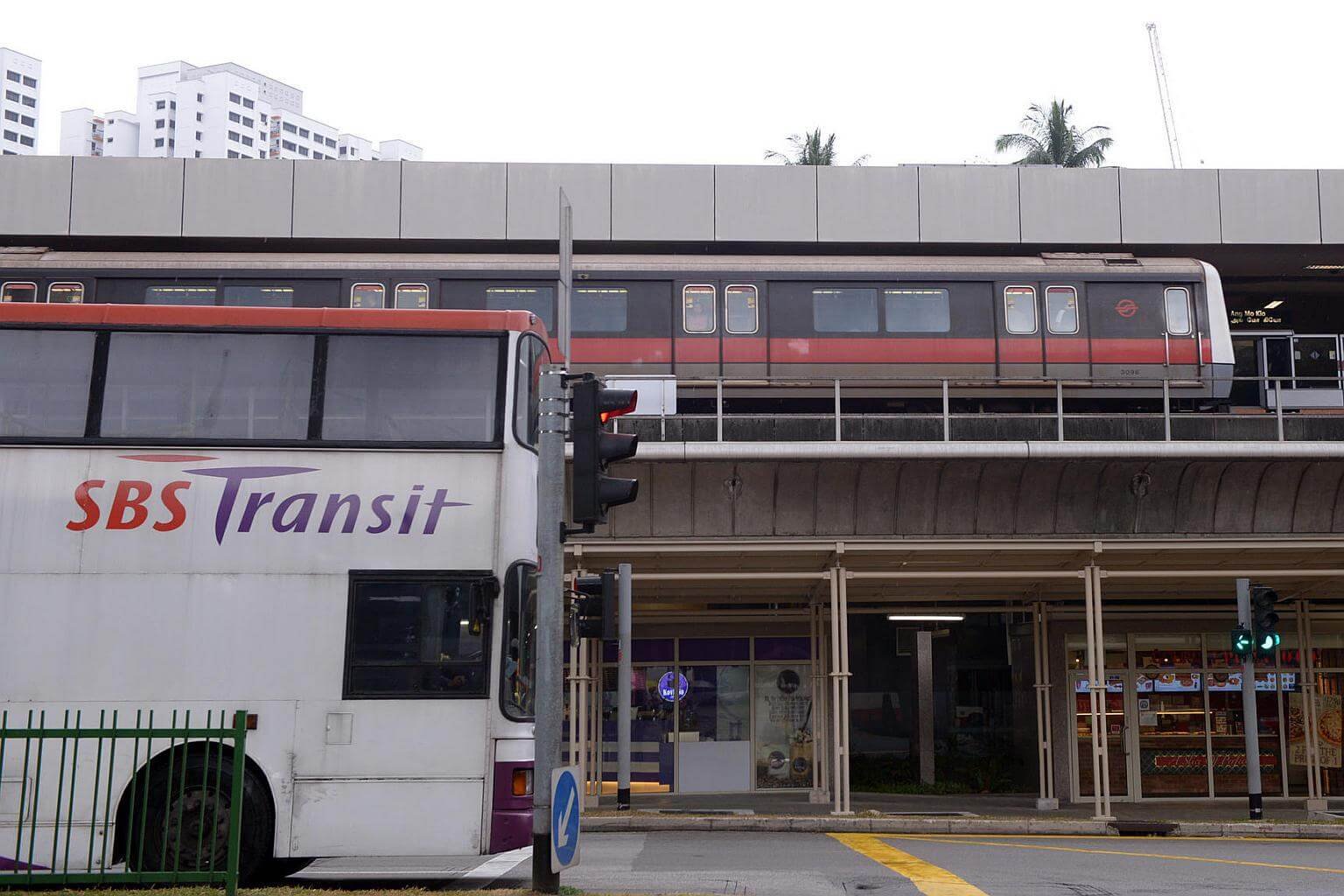
For buyers searching for a new launch condo in Singapore, proximity to an MRT station is often an important consideration. But a short distance on a map does not tell you everything about the journey. The entrance you use, road crossings, sheltered access and connections to your regular destinations all influence how convenient a home will feel.
Before choosing a development because it is advertised as “near MRT”, look at the complete journey from your apartment to where you need to go.
1. Check the Walking Route, Not Just the Distance
A straight-line distance measures proximity. It does not necessarily describe a usable pedestrian route. A station may appear close to a development while the practical walk involves a junction, an indirect path or a particular entrance on the opposite side of the site.
Start by identifying:
- The pedestrian gate residents would use.
- The station entrance reached by that route.
- Any road crossings, slopes, stairs or detours.
- Whether the route is currently accessible or depends on future works.
OneMap’s map legend identifies MRT exits and building entrances, making it a useful starting point for checking these locations. Follow this with an on-site walk wherever possible.
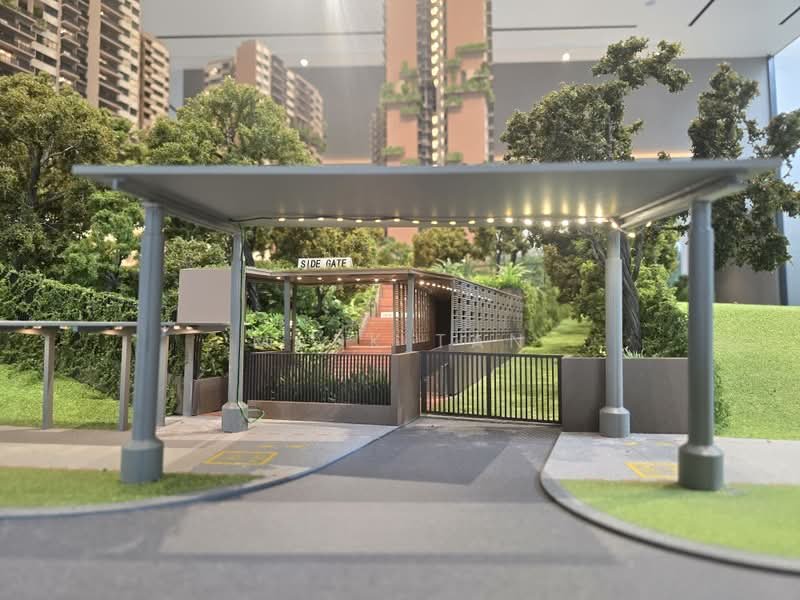
For an uncompleted condo, check the proposed pedestrian access against the latest project plans. An existing route around the construction site may differ from the route residents will eventually use.

2. Understand What “Sheltered Access” Covers
Shelter can make a daily walk more comfortable, particularly during rain. However, descriptions such as “sheltered walkway”, “direct link” and “near MRT” should be examined individually.
Ask where the sheltered section begins and ends. Does it start at a development gate? Does the route include exposed crossings? How do residents reach it from their block?
Thomson Reserve provides a current example. In its announcement dated 15 October 2026, the developer describes a sheltered walkway linking the development to Upper Thomson MRT Station on the Thomson-East Coast Line. That is a specific developer-stated connection, rather than an independently measured walking time.
For any new launch, review the connection’s layout and delivery arrangements before relying on it in your purchase decision.
3. Include the Journey Within the Development and Station
The walk from a condo’s boundary to a station entrance is only one part of the trip. Your journey may also include walking from your block to the pedestrian gate, reaching the station platform and walking from the destination station to your workplace.
When comparing developments, use consistent starting and finishing points. A gate-to-entrance estimate should not be compared directly with a door-to-office estimate.
A practical comparison follows this sequence:
Apartment → development exit → station entrance → platform → destination station → final destination
You do not need an exact prediction for every minute. The purpose is to identify meaningful differences that a headline walking distance may overlook.
4. Compare Your Actual Commute
Being close to a station is most useful when that station serves the journeys your household makes regularly. Consider your workplace, your partner’s workplace, family commitments and frequent weekend destinations.
Check whether the journey requires transfers and how much walking is involved at either end.
LTA’s journey-planning resources provide routes, fares and estimated travel times. Its MyTransport app also provides information on station exits, train operating times and bus services. Use the same departure time and destination when comparing two developments.
Treat journey-planner timings as estimates, then test important routes during your usual travelling hours where practical. For early starts or late finishes, check the relevant train services rather than assuming a convenient daytime route works equally well at every hour.
5. Assess Accessibility for Your Household
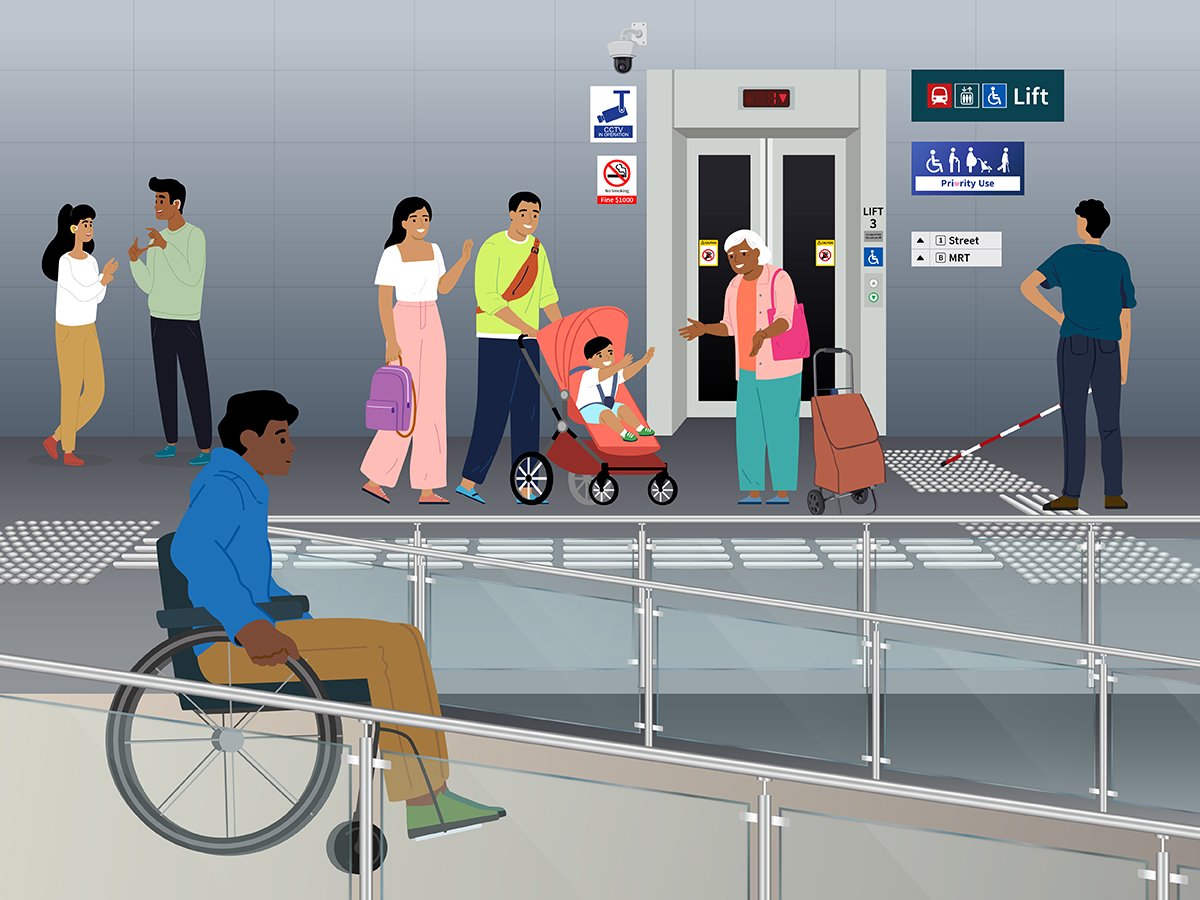
The shortest route may not be the most practical one for everyone. A household with young children, elderly relatives or someone using a wheelchair may place greater weight on step-free access, manageable gradients and convenient crossings.
Check the route you would actually use with a stroller, shopping trolley or mobility aid. Include access within the development and the station.
This is also a useful question to raise during a showflat appointment: ask the sales team to identify the proposed pedestrian route on the site plan, rather than relying solely on a general location map.
6. Separate Existing Connections From Future Plans
Future stations and rail extensions can be relevant to a property search, but they should be assessed separately from services already operating.
Check the latest official information on the project’s status and expected opening. Then compare that timeline with your expected move-in date.
For an uncompleted development, ask two different questions:
- What transport options are available if the home is ready before the future connection?
- How would the additional connection change journeys once it opens?
A future rail link may improve your options, but it should not be treated as an existing service or a guarantee of higher property values.
7. Look at the Unit’s Position, Too
Two apartments in the same development can offer different experiences of convenience. One block may be closer to the pedestrian gate. Another may offer an orientation or level of privacy you prefer.
Review the site plan alongside the location map to understand these trade-offs. Consider the unit’s relationship with surrounding roads, entrances and activity areas.
Visit the neighbourhood at different times, while recognising that a visit cannot fully reproduce conditions inside a future apartment. The aim is to find a balance between transport access and the living environment you want.
A Simple Comparison Checklist
Use the same questions for every project on your shortlist:
| What to compare | What to verify |
|---|---|
| Walking route | Actual development gate and station entrance |
| Weather protection | Sheltered sections and exposed gaps |
| Accessibility | Steps, slopes, lifts and crossings |
| Daily commute | Full journey, transfers and destination walk |
| Operating hours | Services relevant to your travelling schedule |
| Future connections | Official status and expected opening |
| Unit position | Access to the gate, orientation and surroundings |
Choose Convenience That Fits Your Routine
The most suitable new launch condo near an MRT station is one that makes your regular journeys manageable while meeting your requirements for space, budget and living comfort.
Use maps and transport tools to build a shortlist, then verify the route and project details. A little more attention to the full journey can produce a much clearer comparison than distance alone.
Exploring new launch condos near MRT stations? Contact us to compare projects around the locations and travel routes that matter to your household.